Loading page
Extracurriculars by major
Extracurriculars for Pre-Med Students
A pre-med application reads best when your activities trace a clear arc from patient contact to real clinical skill to something you built or led. These six activities move from your first hours of clinical shadowing all the way to founding a health nonprofit and competing at national level in HOSA.

Explorer
Start here and build momentum
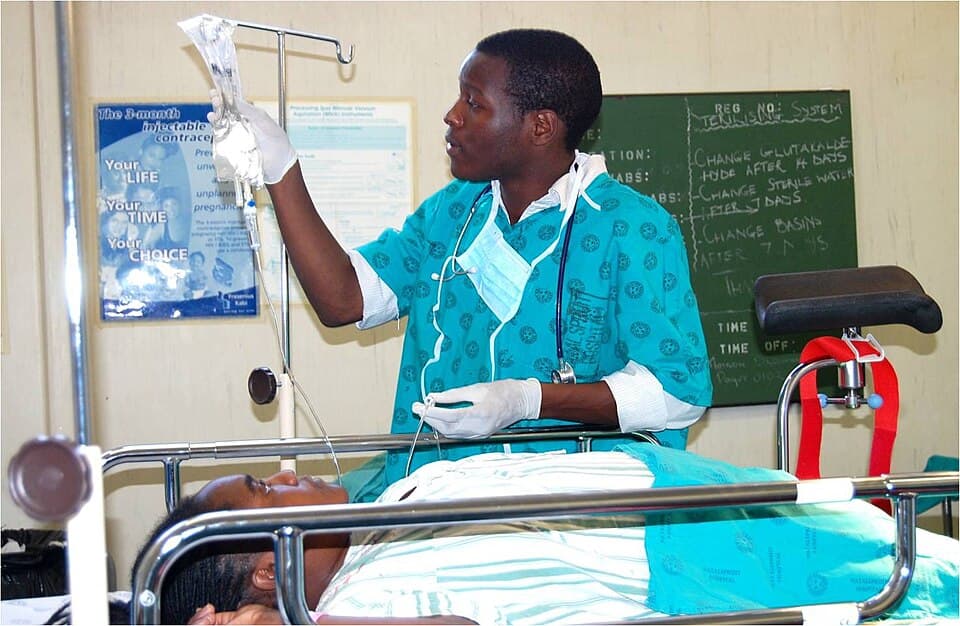
Shadow a physician or clinician
Clinical shadowing puts you in an exam room or operating suite with a working doctor and gives you a firsthand read on whether medicine is actually the career you want. Aim for at least 40 to 80 hours spread across more than one specialty so you can write about what you observed with specificity. Many students start by emailing their own family doctor or a parent's colleague, then branch out to a local urgent care or community health center.
Find shadowing opportunities
Compete in a HOSA event
HOSA Future Health Professionals offers more than 50 competitive events ranging from Medical Law and Ethics to Biomedical Debate and CPR or First Aid. Competing in one event gives you a concrete result and a skill you can describe in an application. Reaching the state championship or the International Leadership Conference is a national-level distinction that separates a passive membership from real investment in the field.
Start a HOSA competitive pathStrategist
Compete and get noticed
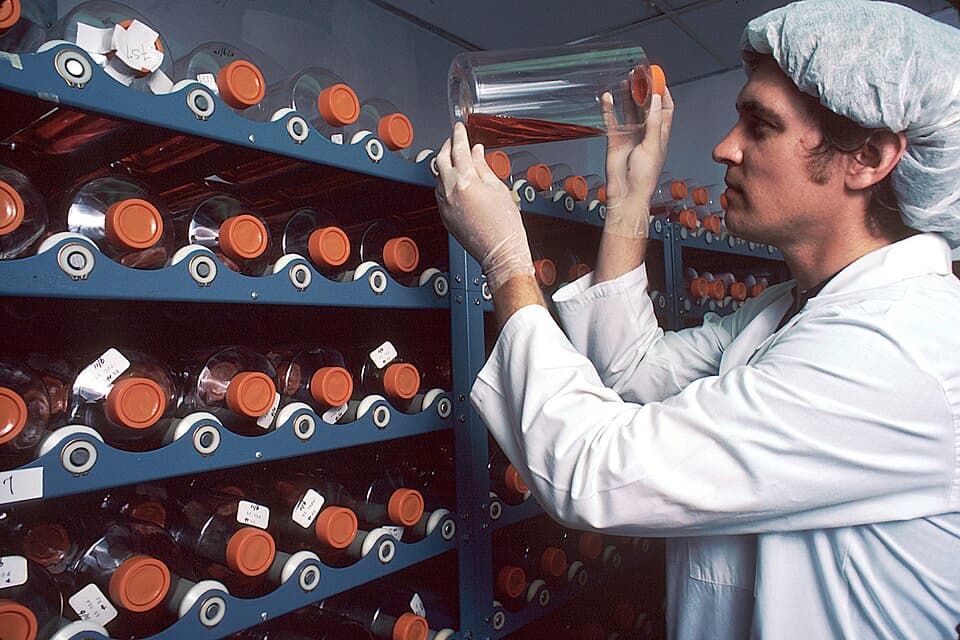
Join a clinical or public-health research project
Medical schools want to see research experience, and starting in high school signals early intellectual seriousness. Look for university labs studying health disparities, epidemiology, or community medicine, and reach out with a specific question about their current work. A poster presentation at a regional symposium or a co-author credit on a preprint is a realistic goal and a strong application talking point.
Find research programs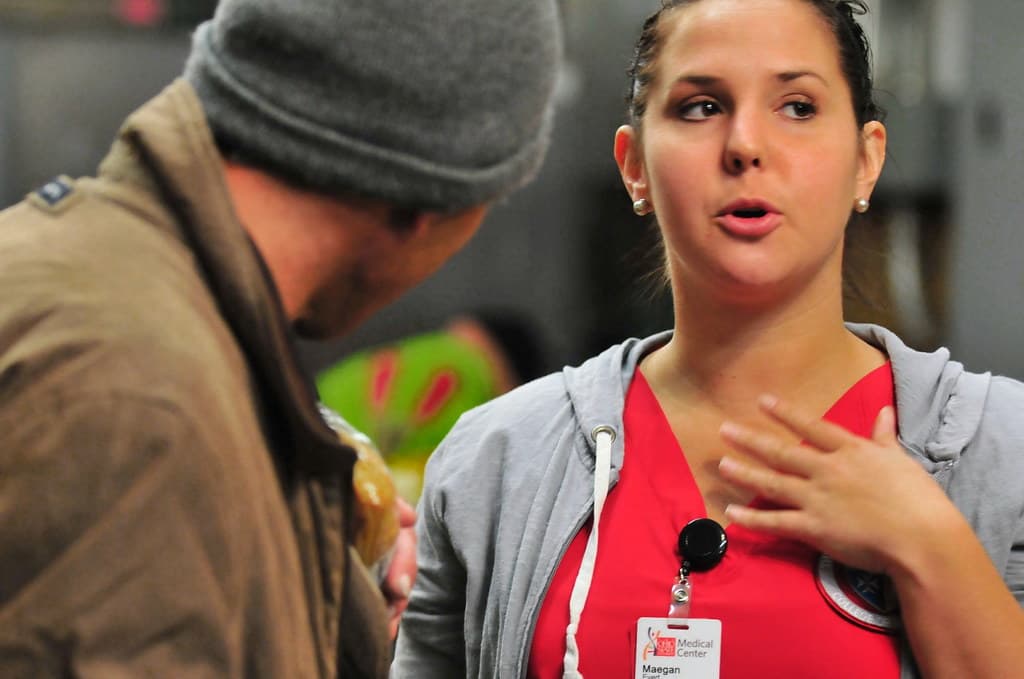
Take on a leadership role in patient service
Hospice volunteer programs, free clinic reception desks, and blood drive coordination all put you in meaningful patient contact and most of them have leadership tracks open to returning volunteers. Admissions readers notice when a student moved from volunteer to team lead or program coordinator because it shows commitment and initiative rather than resume-padding. A year of weekly shifts with a visible title is worth far more than a summer-only program.
Find service leadership rolesMythic
Build something exceptional

Start a health nonprofit
Dr. Interested, founded by Adil Mukhi, grew from a single webinar into a global community of more than 1,400 members across 106 countries offering career education, research, and advocacy for teens interested in medicine. Founding something real is the rarest signal on a pre-med application because it shows you can serve others at scale, not just collect hours. Read how one student built a healthcare organization from scratch.
Read the Dr. Interested founder story
Reach the HOSA International Leadership Conference
Top-placing competitors at the HOSA International Leadership Conference stand among the best health-science students in the country. Getting there requires winning at state, which itself requires a serious multi-year commitment to your event category. Even a state finalist placement is an impressive, verifiable result that demonstrates you took HOSA beyond club membership and treated it as a discipline.
See the HOSA competition pathQuestions, answered
Extracurriculars for pre-med majors, explained
What extracurriculars should I do if I want to be a doctor?
Pre-med extracurriculars work best when they show a progression from patient contact (shadowing, volunteering) to real skill development (clinical research, HOSA competitions) to leadership or founding something meaningful. Admissions committees at medical schools, and at undergraduate programs that feed into medicine, want to see that your interest in the field is genuine and sustained rather than assembled in senior year.
How many clinical hours do pre-med students need in high school?
There is no official minimum for high school, but 50 to 100 hours across more than one setting (physician office, hospital, free clinic, or hospice) gives you enough experience to write about it with real specificity. More important than the count is what you can say you observed, questioned, or learned during those hours.
Is research necessary for a pre-med student in high school?
Research is not required, but it is one of the clearest ways to demonstrate intellectual seriousness early. Even a summer helping a university lab analyze data or run literature reviews, capped with a poster or acknowledgment, shows that you can contribute to knowledge production, not just consume it. It also makes future college research applications far more competitive.
Build your roadmap
Answer four questions and get a personalized plan with activities and opportunities near you.