Loading page
Extracurriculars by major
Extracurriculars for biology majors
A biology application reads best when your activities show a clear arc: sustained curiosity, then real skill, then something you built or led. These six activities move from a first weekend of hospital volunteering all the way to founding a nonprofit or making the Biology Olympiad team.

Explorer
Start here and build momentum
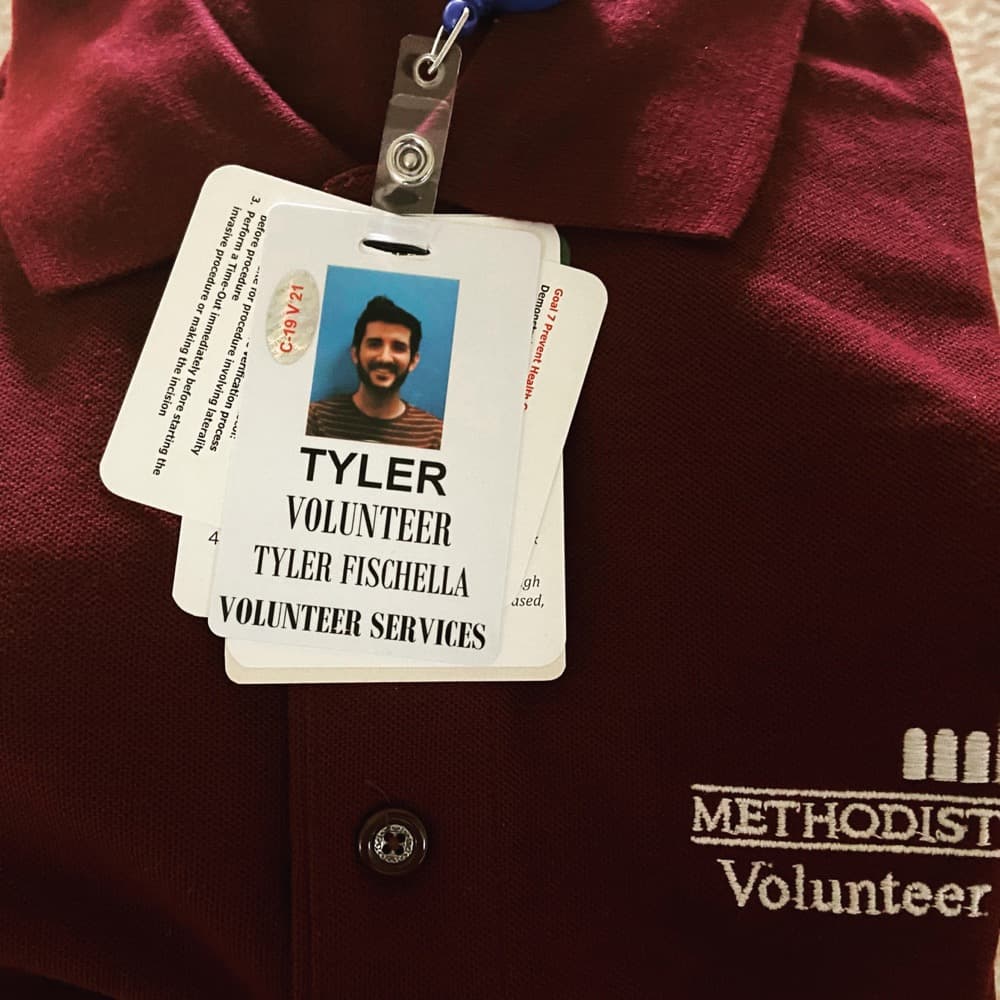
Volunteer at a local hospital
Most hospitals place freshmen and sophomores in patient transport, front desk greeting, or supply runs, and 50 to 100 hours over a year is a realistic target. Admissions readers value the sustained, unglamorous service far more than a one-off day. It also gives you the firsthand clinical exposure that makes a later research or medical interest sound genuine.
Find hospitals near you
Join HOSA at your school
HOSA Future Health Professionals runs chapter meetings, guest clinician events, and skills competitions that scale from your school to state and the International Leadership Conference. Competing in an event like Medical Terminology or Biomedical Debate gives you a concrete result to point to. Running for a chapter or state office turns membership into leadership.
Start a HOSA pathStrategist
Compete and get noticed
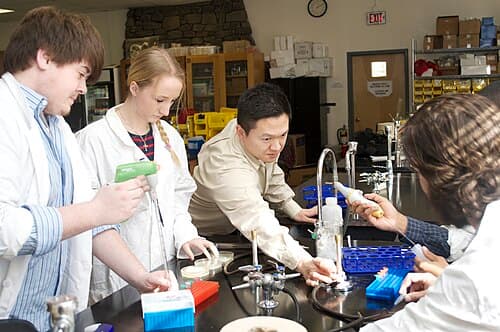
Do research with a professor
Cold email a few nearby university labs, but read two or three of the lab's recent abstracts first and reference one specifically so the message does not read as a mass send. Aim to earn a poster at a local symposium or an acknowledgment on a paper rather than promising a first-author publication. If cold outreach stalls, a structured summer research program is a strong alternate route in.
Find research programs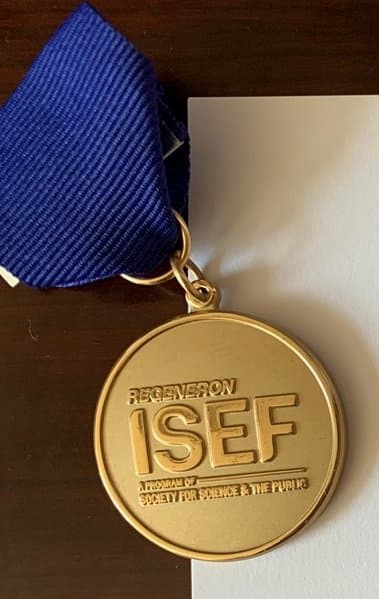
Compete in science fairs
Start at your school fair, advance through a regional affiliated fair, and set your sights on the Regeneron International Science and Engineering Fair. Browsing the ISEF finalist gallery shows you what a competitive biology project actually looks like: a sharp question, real data, and controls. Use it to calibrate your scope before you commit a year to a study.
See ISEF biology winnersMythic
Build something exceptional

Start a healthcare nonprofit
Dr. Interested, founded by Adil Mukhi, grew into a community of more than 1,400 members across 106 countries offering career education, research, and support for teens interested in medicine. Founding something real is the rarest signal on an application because it shows you can build for other people, not just for yourself. Read how one student turned an idea into a global organization.
Read the Dr. Interested founder story
Train for the Biology Olympiad
The USA Biology Olympiad begins with the Open Exam, narrows to a semifinal, and sends its national finalists to a residential training camp. From there a team of four represents the country at the International Biology Olympiad. Even reaching the semifinal round is a national-level distinction that signals rare depth in the subject.
See the USABO exam pathQuestions, answered
Extracurriculars for biology majors, explained
What are good extracurriculars for a biology major?
The strongest biology extracurriculars show progression: sustained service like hospital volunteering, a subject community like HOSA, hands-on lab research, a science fair project, and eventually something you found or lead. Admissions readers care less about the label of an activity and more about the depth and the results you can point to.
Do biology extracurriculars need to be medical?
No. Biology is broad, and ecology, genetics, marine science, conservation, and public health all make compelling stories. Pick the corner of biology you actually find interesting, then go deep. A genuine ecology project reads far better than a medical activity you joined only because it looked good.
How many extracurriculars do I need?
Quality beats quantity. A focused set of five to eight activities with real depth and a clear through line is stronger than a long list of one-meeting clubs. It is better to found or lead one thing than to passively join ten.
Build your roadmap
Answer four questions and get a personalized plan with activities and opportunities near you.