Loading page
Extracurriculars by major
Extracurriculars for Environmental Science Majors
An environmental science application reads best when your activities show a real relationship with the natural world: sustained fieldwork and service, then competitive scientific inquiry, then something you founded or published. These six activities move from your first day of local conservation volunteering all the way to the International Science and Engineering Fair and founding a climate initiative.

Explorer
Start here and build momentum
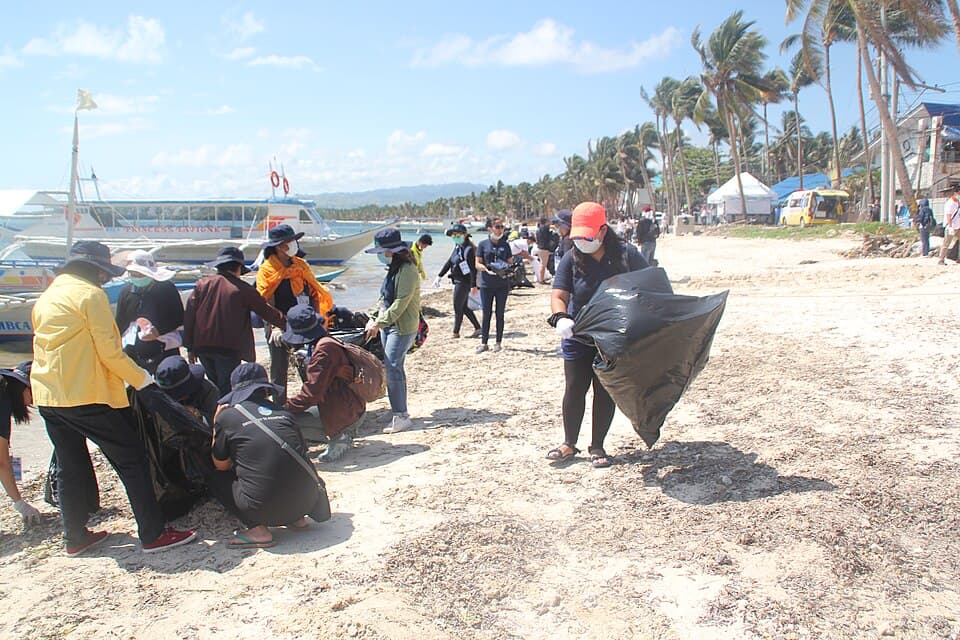
Volunteer for a local conservation project
Trail restoration, invasive species removal, riparian buffer planting, and water quality monitoring through groups like your county watershed association or a state land trust give you real fieldwork hours and a concrete cause to talk about. Consistency matters more than the number of events: a student who has shown up to one organization every other Saturday for two years reads very differently from someone who attended six one-off cleanups. Ask about data collection or species identification opportunities to move beyond physical labor into scientific observation.
Find conservation programs near you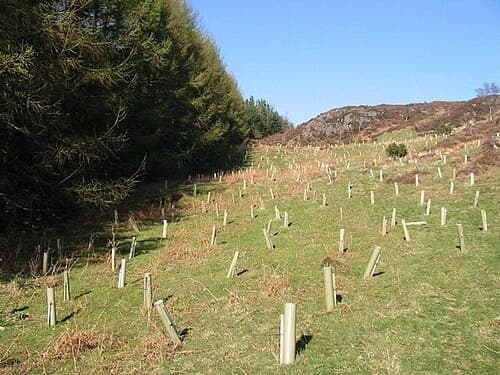
Start or lead an environmental club at school
An environmental club that runs an energy audit of your school building, organizes a campus composting program, or tracks local biodiversity with iNaturalist is far more useful on an application than one that just watches documentaries and holds occasional meetings. Propose a concrete semester-long project at the outset so the club has a measurable outcome you can report. Getting a formal partnership with your school's facilities team or a local nonprofit strengthens the record further.
Find environmental opportunitiesStrategist
Compete and get noticed
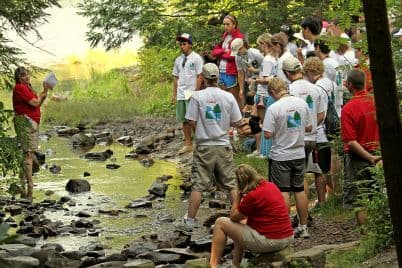
Compete in Envirothon
Envirothon is a team-based environmental science competition that tests knowledge across five categories: soils and land use, aquatics, forestry, wildlife, and a rotating current issue topic. Teams compete at the county, state, and national levels, and the depth of subject knowledge required is genuinely rigorous. Preparing for the competition is itself a structured environmental science education, and a state or national placement is a strong, verifiable credential.
See the Envirothon competition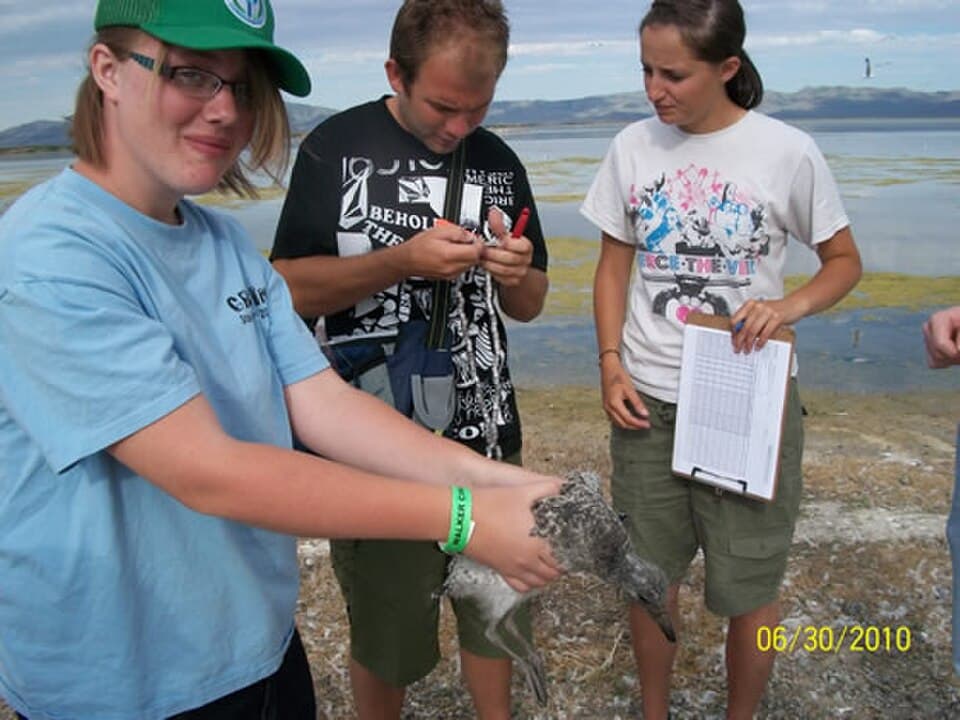
Contribute to a citizen science or field research project
Programs like the Cornell Lab of Ornithology's eBird, NOAA's CoCoRaHS precipitation network, or a regional university's long-term ecological monitoring project let you collect real data that enters a scientific record. If you can arrange a mentored relationship with a university professor or a state environmental agency researcher, you may be able to contribute to a published dataset or co-author a report. The key is that your observations are systematic, documented, and tied to a real scientific question.
Find field research programsMythic
Build something exceptional
Found a climate or conservation initiative
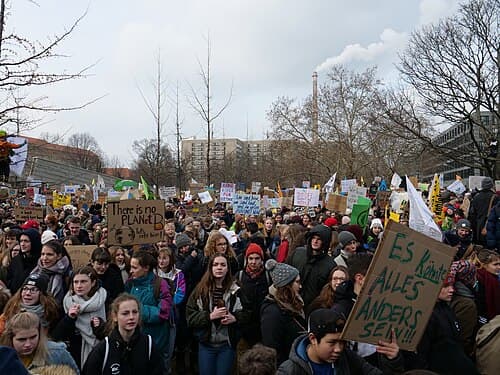
Founding something original, whether a regional youth climate coalition, a school district sustainability policy effort, or a student-run native plant nursery, is the rarest signal on an environmental science application. The best student-founded initiatives have a specific problem, a repeatable program, and evidence of real impact measured in acres restored, tons of carbon tracked, or policy changes proposed. Read about how other students built organizations from the ground up.
See student-founded organizations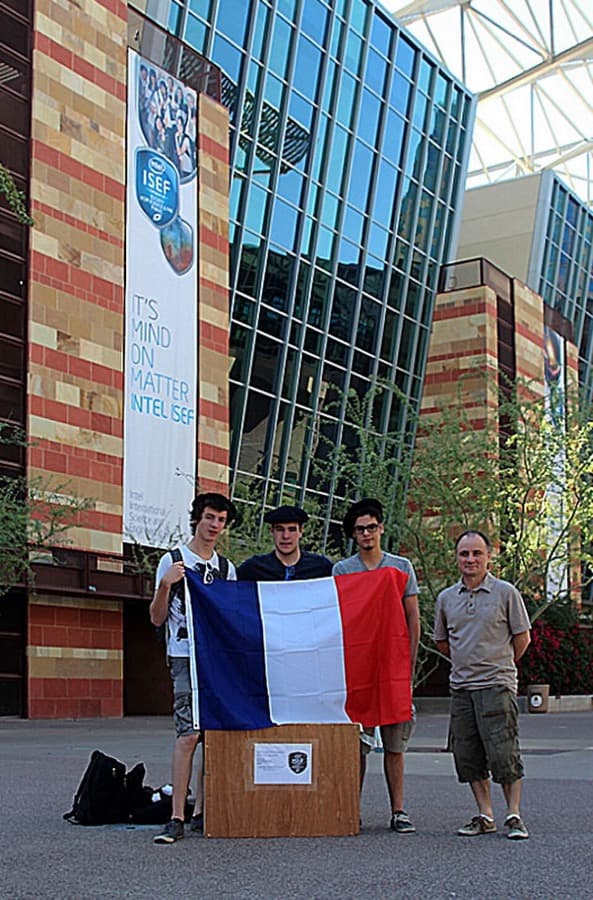
Win at ISEF in earth and environmental sciences
The Regeneron International Science and Engineering Fair is the most selective high school research competition in the world, and its Earth and Environmental Sciences category is one of the most competitive. Qualifying typically requires winning at an affiliated regional fair, but the ISEF finalist gallery shows you exactly what a competitive project looks like: a sharp local question (soil contamination, microplastic transport, watershed chemistry), real field data, and rigorous controls. Browse the winners to calibrate your scope before committing a year to a study.
See ISEF environmental science winnersQuestions, answered
Extracurriculars for environmental science majors, explained
What extracurriculars should I do for an environmental science major?
The most compelling environmental science profiles combine sustained fieldwork (conservation volunteering, an eco-club with real projects), competitive scientific inquiry (Envirothon, citizen science with a university partner), and something you founded or published. Admissions readers look for a genuine relationship with the natural world, not just a list of environmental topics you care about.
What is Envirothon and is it worth doing?
Envirothon is a team-based competition covering soils, aquatics, forestry, wildlife, and a rotating current issue topic, with county, state, and national levels. It is genuinely rigorous and the preparation process is its own environmental science curriculum. A state or national placement is one of the clearest competitive credentials available to high school environmental science students in North America.
Do I need a university lab connection for environmental science extracurriculars?
A university connection helps for research-level work, but it is not required. Citizen science platforms, state environmental agencies, land trusts, and watershed associations all accept high school volunteers in data-collection roles. Starting there and using the experience to build a relationship with a researcher or agency scientist is a realistic path to more formal research involvement.
Build your roadmap
Answer four questions and get a personalized plan with activities and opportunities near you.