Loading page
Extracurriculars by major
Extracurriculars for political science majors
A political science application reads best when it shows a progression: first that you understand how institutions work, then that you can argue and win in competitive arenas, and finally that you built something that changes policy or mobilizes people. These six activities trace that path from your first student government meeting all the way to founding a civic organization or competing on a national debate stage.

Explorer
Start here and build momentum
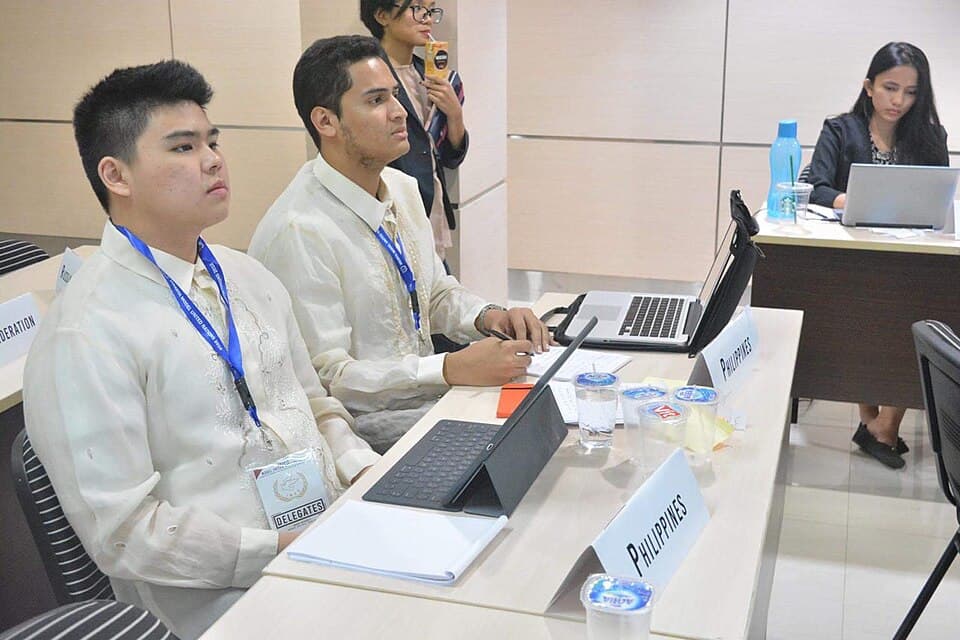
Join student government or a Model UN club
Student government places you inside the institution: you learn how proposals fail, how coalition-building works, and why the gap between good ideas and enacted policy is almost always about people rather than logic. Model UN teaches a different layer, the diplomatic language of resolutions, amendments, and bloc strategy, in a format that scales from in-school crisis simulations to major college-hosted conferences. Both are ideal starting points because they immediately give you the vocabulary that the rest of this list builds on.
Start a student gov or MUN path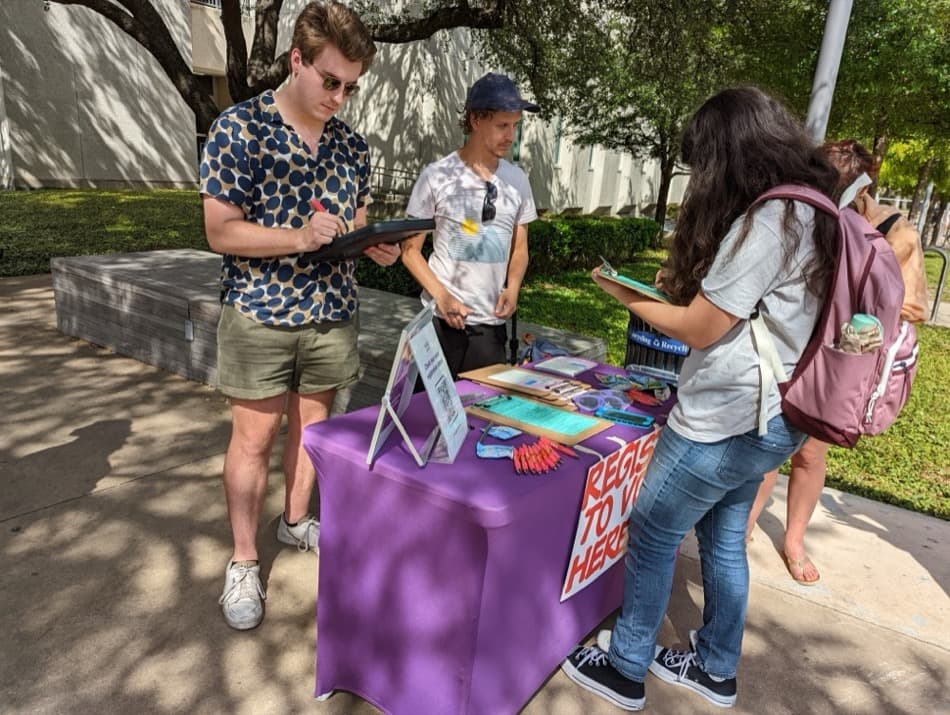
Volunteer on a campaign or with local government
Phone-banking, canvassing, data entry for a local campaign, or interning in a city council office gives you direct contact with how politics actually operates at the ground level. The unglamorous parts, stuffing mailers, tracking voter contacts, attending constituent meetings, are exactly what makes the experience credible when you write about it. Readers can tell when a student has done real work versus attended one event and called it volunteering.
Find civic volunteer opportunitiesStrategist
Compete and get noticed
Compete on the debate circuit
The NSDA circuit offers Lincoln-Douglas, Public Forum, Policy, and Congress events, each of which rewards a different mix of research depth, argument construction, and delivery. Competing through local and district rounds and qualifying for NSDA Nationals is a verifiable national credential. Even before nationals, a strong local record teaches you to build and defend a position under pressure, which is the core skill of political science at any level.
Find debate programs and tournaments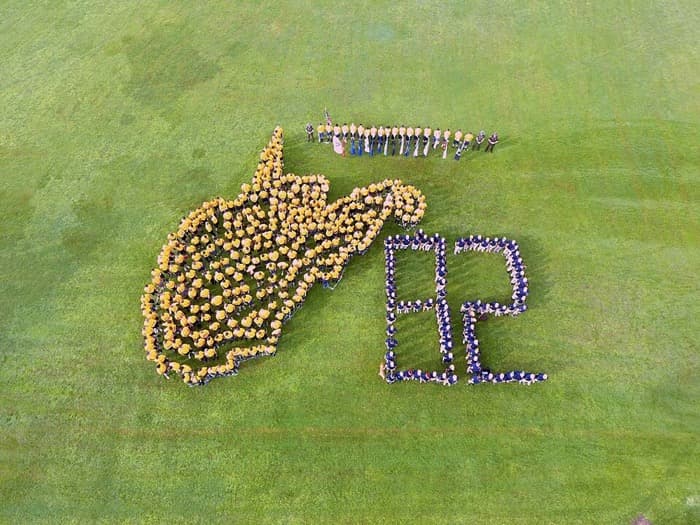
Attend Boys State or Girls State
Boys State and Girls State are selective, week-long residential programs run by the American Legion and American Legion Auxiliary in which high school juniors operate a complete mock state government: running for office, passing legislation, and presiding over courts. Selection by your school and local Legion post is already a competitive signal. Students chosen from the top of their Boys or Girls State class can be nominated to Boys Nation or Girls Nation, which convenes in Washington, D.C.
Find civic programs like Boys and Girls StateMythic
Build something exceptional
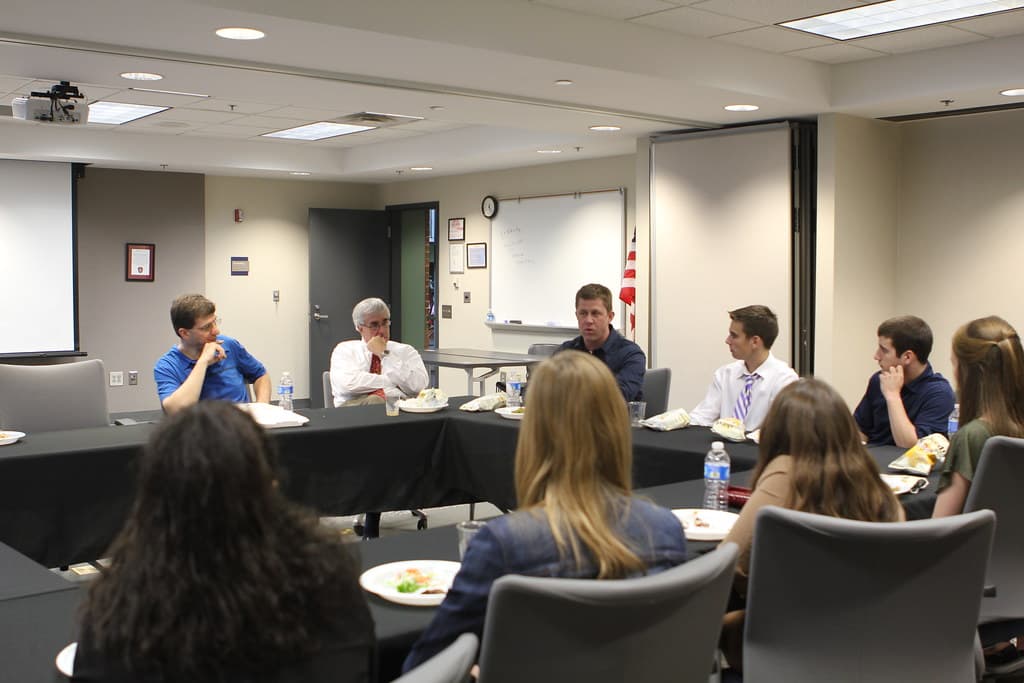
Found a civic advocacy organization
Building an organization that registers voters, lobbies for a local policy change, or mobilizes young people around a civic issue demonstrates that you do not just study power but actually exercise it. The strongest versions document what changed: bills introduced, voters registered, petitions signed, or coverage earned. A named organization with measurable impact and a clear founding moment is the most compelling thing a political science applicant can show, because it proves you can move from analysis to action.
Explore civic advocacy resources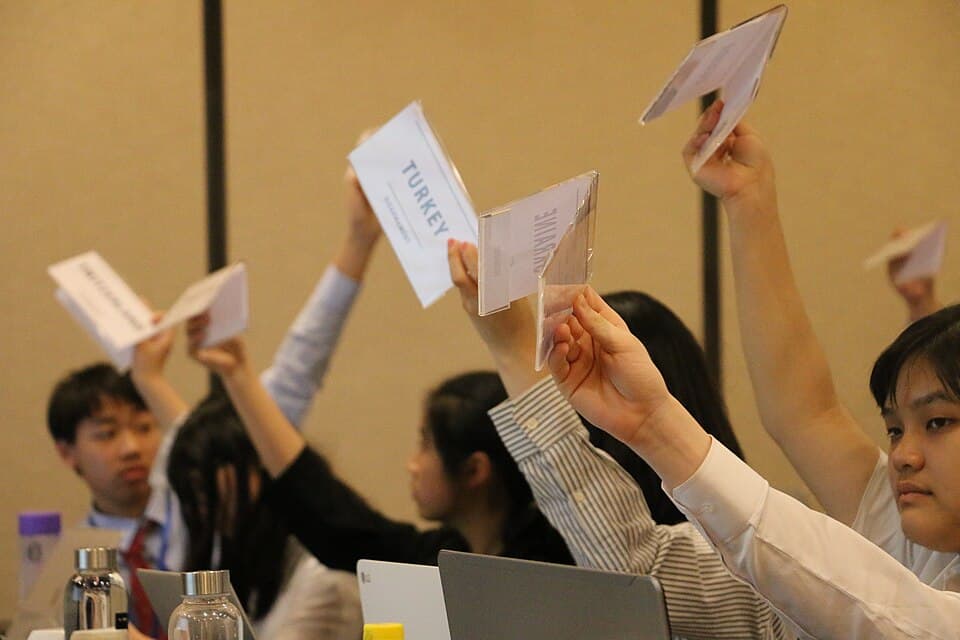
Win at a national MUN conference or reach NSDA Nationals
Best Delegate at a major college-hosted MUN conference, a gavel at Harvard HMUN or Georgetown NAIMUN, or a top placement at NSDA Nationals in LD or Public Forum is a nationally recognized distinction in the political and policy space. Reaching that level requires sustained preparation across many conference cycles and the ability to lead a committee room, not just participate in one. These credentials appear on Ivy League applicant profiles and are treated the same way as top placements in academic Olympiads.
Find national MUN and debate opportunitiesQuestions, answered
Extracurriculars for political science majors, explained
What extracurriculars should I do for a political science major?
The most compelling political science extracurriculars combine institution knowledge, competitive argumentation, and something built or organized. Student government and Model UN give you the foundational vocabulary. Debate circuit competition, Boys State, or a campaign internship shows you can perform under pressure. Founding a civic org or winning at a major national conference is the capstone that sets a political science applicant apart.
Does Model UN actually help with political science admissions?
It helps when it shows progression and results. Attending one or two conferences as a delegate does not distinguish you much. But a student who reached Best Delegate at multiple large conferences, chaired a committee, or founded a chapter at their school is demonstrating genuine leadership and command of diplomatic process. Pair MUN with real civic work, a campaign internship or a policy organization you started, and the combination reads as more than a resume-builder.
How do I stand out as a political science applicant if I cannot do debate?
Debate is one path, not the only one. Campaign or legislative work, policy research with a professor, founding a voter registration drive that hits a measurable goal, or starting a publication that covers local government are all credible alternatives. The thread that matters is showing you can both understand political systems and act within them, not that you competed in a specific format.
Build your roadmap
Answer four questions and get a personalized plan with activities and opportunities near you.