Loading page
Extracurriculars by major
Extracurriculars for Law and Pre-Law Majors
A law or pre-law application reads best when your activities trace a clear arc from competitive advocacy and argument to real-world legal exposure to something you founded or led at a national level. These six activities move from your first mock trial tournament all the way to founding a legal-literacy organization and reaching the national debate or mock-trial stage.

Explorer
Start here and build momentum
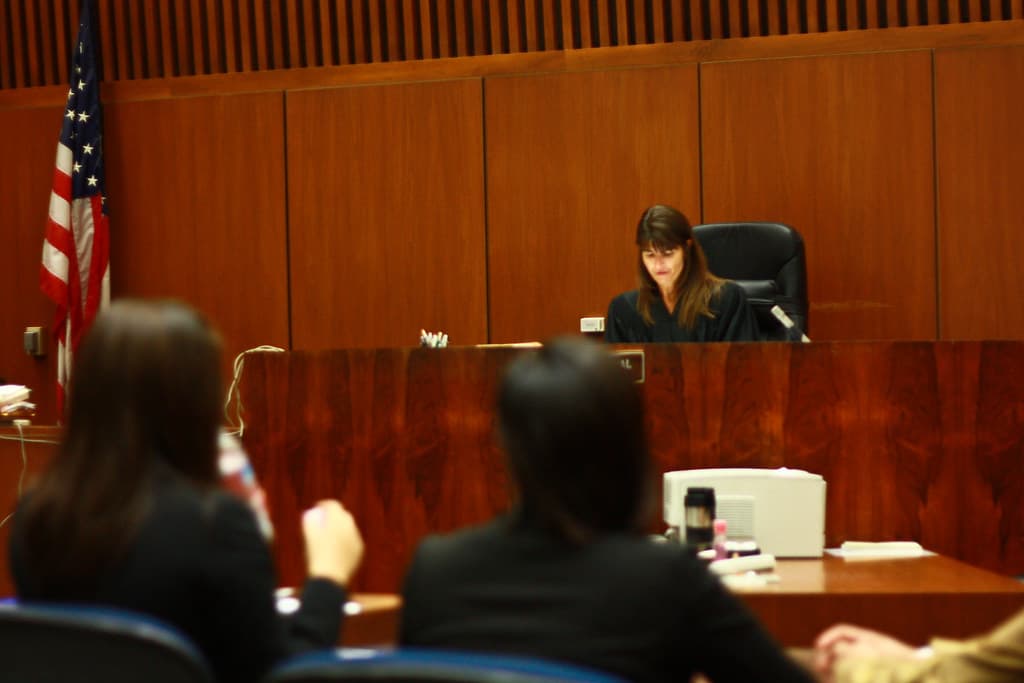
Join your school's mock trial team
Mock trial puts you in simulated courtroom proceedings where you play attorneys and witnesses, learn to examine and cross-examine, and argue a prepared case before actual judges. Even a single competitive season teaches you how legal arguments are constructed and attacked under time pressure, which is a practical skill set that very few high school extracurriculars offer. Starting in your first or second year gives you time to advance from a supporting witness role to an attorney role and eventually to a team leadership position.
Find mock trial programs near you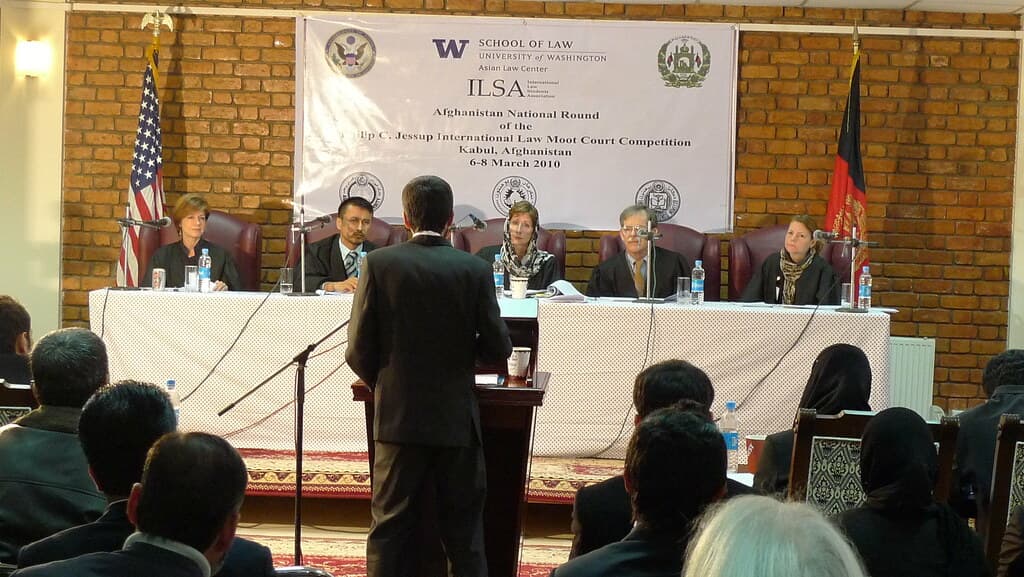
Compete in speech and debate
Speech and debate builds exactly the skills law schools later reward: rapid research, logical structure, rebuttal under pressure, and confident public speaking. Lincoln-Douglas debate forces you to argue both sides of philosophical and policy propositions; Policy debate demands rigorous evidence construction; Public Forum covers current events. Any of these formats translates directly to the legal reasoning you will practice in moot court and law school. A district or state qualifier result is a strong application marker.
Start a debate pathStrategist
Compete and get noticed
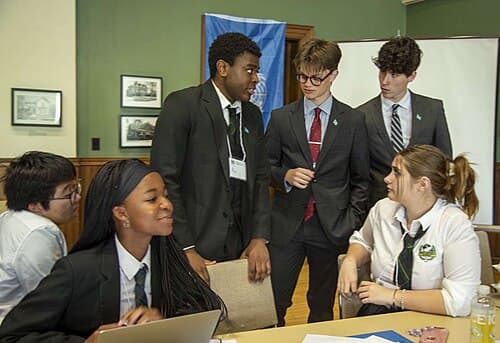
Compete in Model UN or moot court
Model UN teaches you to draft and negotiate resolutions using the actual procedures of international bodies, and reaching chairing or secretariat positions is a genuine leadership credential. Moot court competitions, offered through many state bar associations and law school outreach programs, go further: you write legal briefs and argue before panels of practicing attorneys. Both activities signal the kind of research discipline and structured persuasion that distinguishes a serious pre-law candidate.
Find Model UN and moot court programs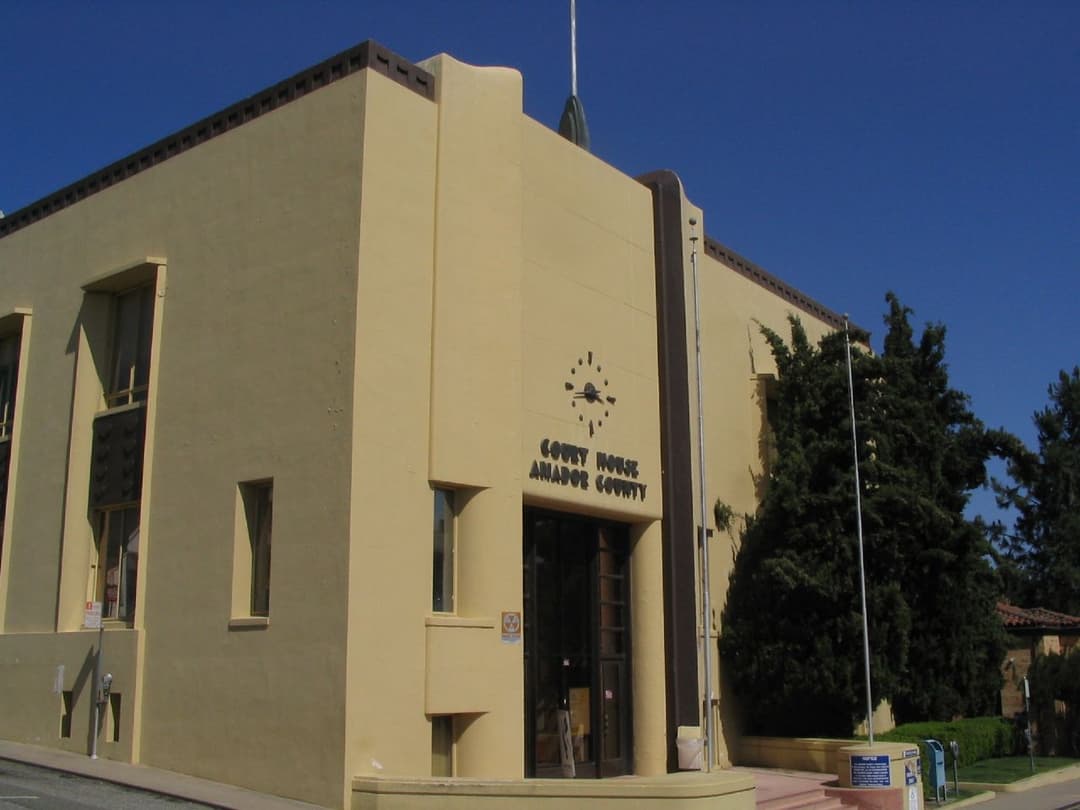
Intern at a courthouse, law firm, or legal aid office
Courthouse internships, legal aid volunteering, and paralegal shadowing programs give you a ground-level view of how law actually operates: docket management, client intake, brief research, and the realities of access to justice. Many state bar associations run youth law programs or summer legal institutes that place high school students in these environments. The specificity of what you observed and did there is what makes the experience valuable on an application.
Find legal internship programsMythic
Build something exceptional
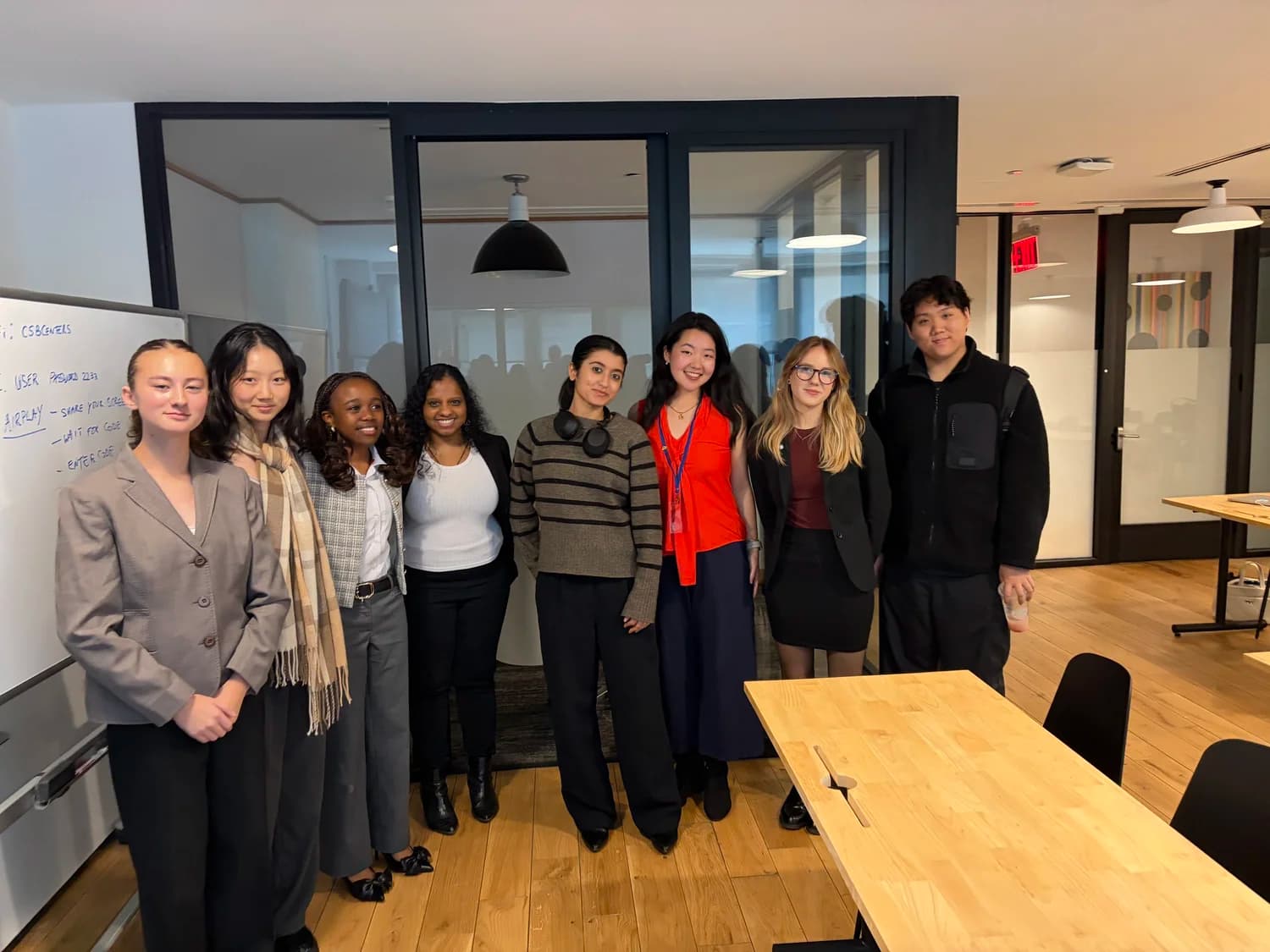
Found a legal-literacy or advocacy organization
Youthful Lawyers, founded by Kathryn Anderson, grew from a five-person student team into an international nonprofit offering essay competitions, a youth law review, school chapters, and a legal research fellowship. Founding something at that level shows you can identify a gap in legal access or education and build something lasting to fill it. Read how one student turned a student team into an organization creating real legal opportunities for young people worldwide.
Read the Youthful Lawyers founder story
Reach a national mock trial or debate championship
The National Mock Trial Championship and the National Speech and Debate Tournament are among the most selective academic competitions available to high school students. Qualifying for nationals in mock trial requires winning at regionals and advancing through a state championship; qualifying for nationals in debate typically requires accumulating qualifying points at tournaments throughout the season. A national appearance, and especially a top-ten or finalist finish, is a credential that reads clearly to any admissions reader.
See the national mock trial competitionQuestions, answered
Extracurriculars for law majors, explained
What extracurriculars should pre-law students do in high school?
The strongest pre-law profiles combine competitive advocacy training (mock trial, debate), real legal exposure (courthouse internship, moot court, legal aid volunteering), and something you founded or led. The through line that matters is structured argument: admissions readers for political science, philosophy, and pre-law programs want to see that you can build, defend, and refine a position under pressure.
Is Model UN useful for a law or political science application?
Yes, especially when paired with a leadership role. Chairing a committee or serving on secretariat demonstrates that you can run procedure, mediate disagreement, and hold a room, which are skills that transfer directly into law school advocacy. Model UN alone is common; Model UN plus moot court or mock trial creates a more distinctive combination.
Do I need a legal internship in high school to study law?
Not strictly, but even a summer at a legal aid office or a courthouse makes the application story more concrete. It lets you speak specifically about what legal work actually involves rather than describing an abstract interest in justice. Programs run by state bar associations and law school access initiatives often have positions designed for high school students with no prior experience.
Build your roadmap
Answer four questions and get a personalized plan with activities and opportunities near you.