Loading page
Extracurriculars by major
Extracurriculars for Psychology Majors
A psychology application reads best when your activities show you moving from genuine empathy and service into rigorous inquiry and then into something you built or led. These six activities move from your first peer-counseling session all the way to publishing research and founding a mental-health organization.

Explorer
Start here and build momentum

Start or join a peer counseling program
Many high schools run peer counseling or peer support programs where trained students listen to classmates dealing with stress, social conflict, or academic pressure. Getting trained and putting in regular sessions gives you a hands-on feel for active listening and crisis de-escalation that classroom psychology cannot replicate. It also signals to admissions readers that your interest in people is practical and not just theoretical.
Find peer counseling programs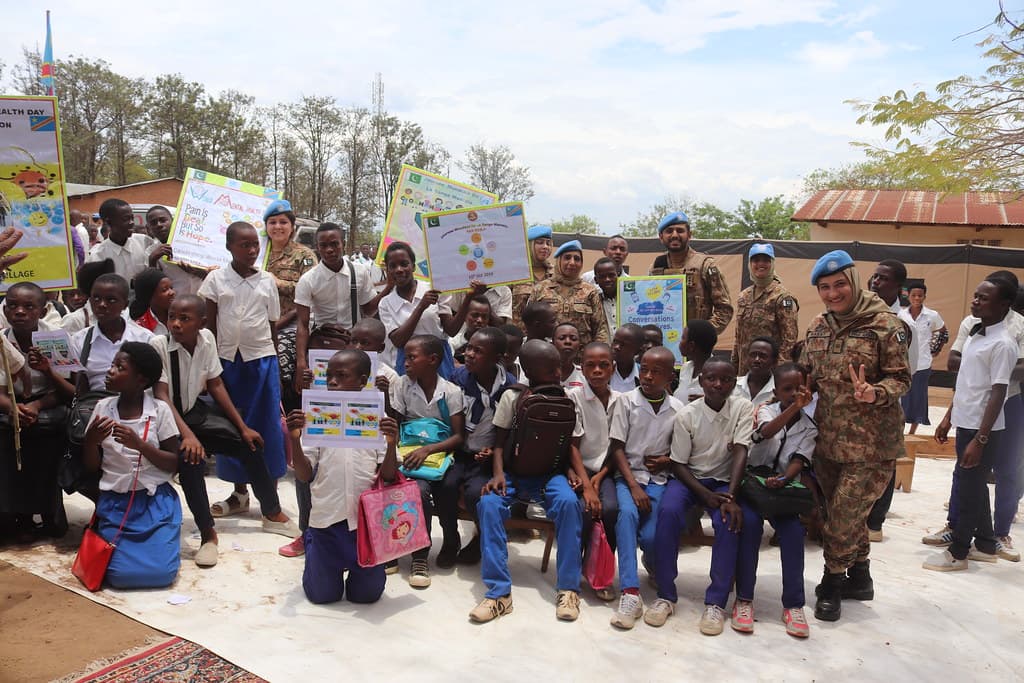
Found or lead a mental-health awareness club
If your school does not have a mental-health or mindfulness club, starting one is an accessible and genuinely useful project. Run workshops on stress management, invite local therapists as speakers, or partner with your school counselor to host awareness events during Mental Health Awareness Month. Leadership of a club you built yourself is a stronger application entry than a passive membership in an existing one.
Start a mental-health clubStrategist
Compete and get noticed
Work with a psychology or neuroscience lab
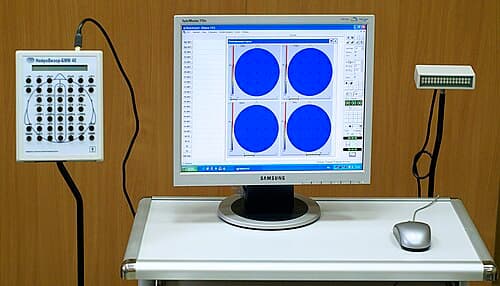
University psychology departments run studies on cognition, behavior, social influence, and mental health that often need undergraduate or high school assistants for data collection, literature reviews, or participant recruitment. Email a faculty member whose published work genuinely interests you, reference one specific study of theirs, and ask whether they have room for a research assistant. A poster at an undergraduate research symposium or a line in the acknowledgments of a paper is a realistic and impressive outcome.
Find research programs
Compete in the International Brain Bee
The International Brain Bee is a neuroscience competition that tests students on brain anatomy, neurological disorders, and current research. It runs through local and regional rounds with national champions advancing to the international competition. Reaching the national level requires serious study and signals a depth of interest in the science behind behavior that distinguishes a committed psychology applicant from the crowd.
See the Brain Bee competition pathMythic
Build something exceptional
Found a mental-health awareness organization
Founding a real organization around mental health, whether a crisis text resource directory, a peer training network, or a youth advocacy group, is the rarest and most powerful signal on a psychology application. It shows you moved from learning about psychological distress to doing something about it for other people. The organizations that work at this level have a clear audience, a repeatable program, and evidence that students actually showed up.
See student-founded organizations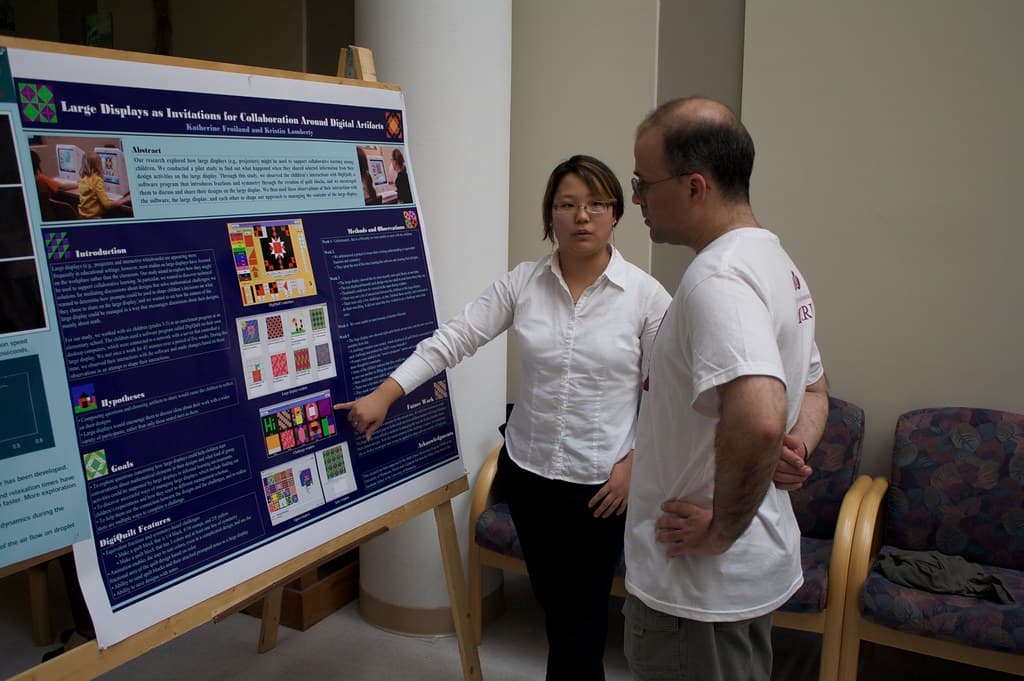
Publish or present independent research
Presenting a study at a regional or national psychology conference, or submitting a paper to a peer-reviewed student journal, is the clearest way to demonstrate that you can do the work of a psychologist rather than just talk about it. Design a study with a testable hypothesis, collect and analyze data ethically, and write it up in APA format. Even a small-scale survey with real methodology and an honest discussion of limitations is more impressive than a grand but vague claim.
See ISEF behavioral science projectsQuestions, answered
Extracurriculars for psychology majors, explained
What extracurriculars look good for a psychology major?
The strongest psychology extracurriculars show a path from genuine human connection (peer counseling, mental-health clubs) to real research skill (lab work, Brain Bee) to something you created or led (founding an organization, publishing a study). Admissions readers are looking for evidence that you understand both the human side of psychology and the scientific rigor it demands.
Can I do psychology extracurriculars without a university lab?
Yes. Peer counseling programs, mental-health clubs, crisis hotline volunteering for youth organizations, and community mental-health advocacy are all accessible without a university connection. They are also more unusual than lab research on a transcript, which can make them more memorable if you can speak to concrete impact.
Does the Brain Bee really help a psychology application?
It does, particularly for neuroscience-adjacent programs and for applicants who want to signal scientific rigor early. The competition requires learning real neuroanatomy and research concepts rather than just discussing feelings about the field. Even advancing to a state-level round demonstrates a kind of focused, testable knowledge that a general interest in psychology does not.
Build your roadmap
Answer four questions and get a personalized plan with activities and opportunities near you.