
Passion Projects

Founder field notes

How a five-person team built real pathways into law

Kathryn Anderson on replacing passive legal content with competitions, publishing, research, chapters, and partnerships students can actually join.

KA
Kathryn AndersonFounder & Executive Director
Website Instagram
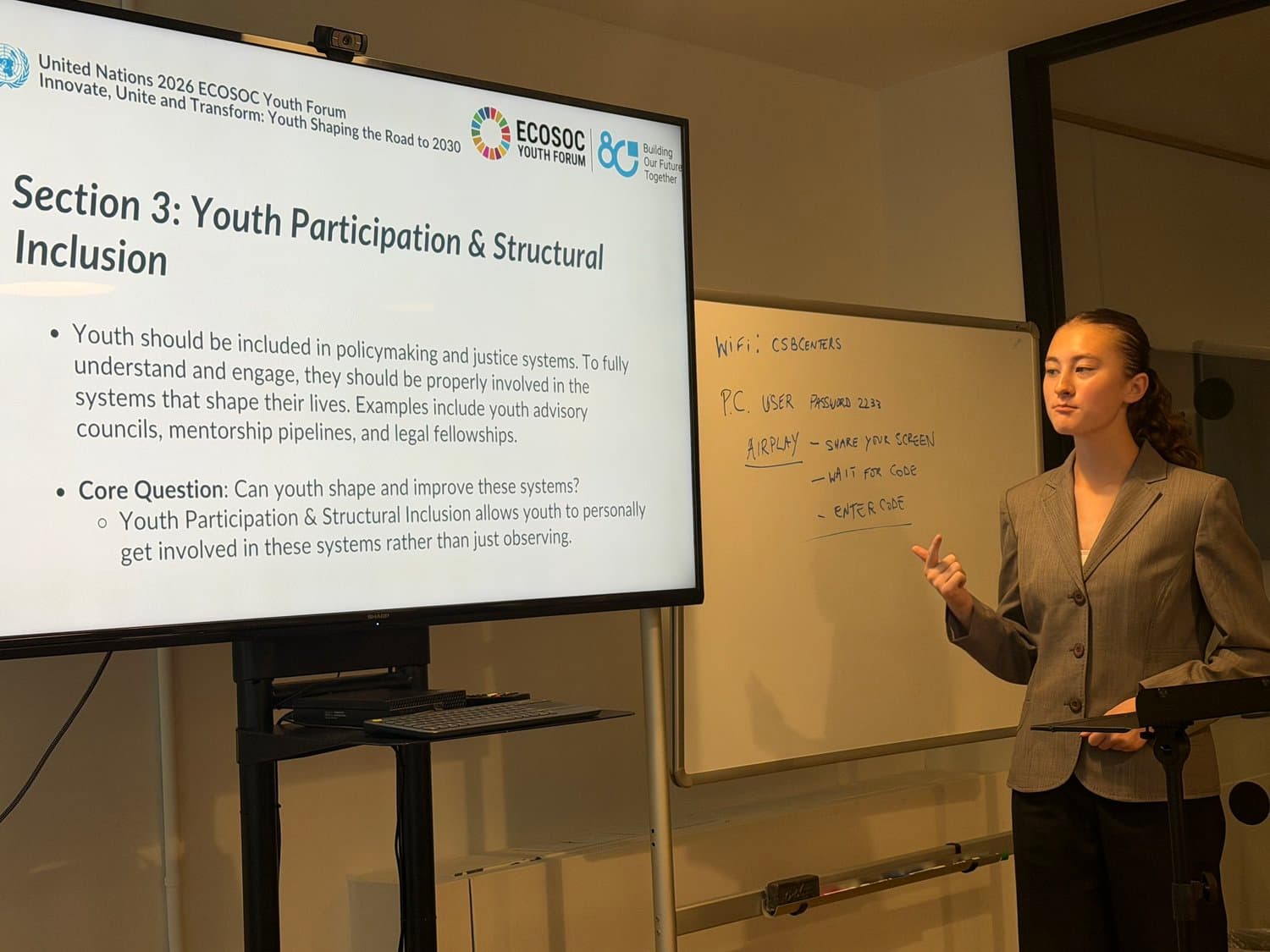
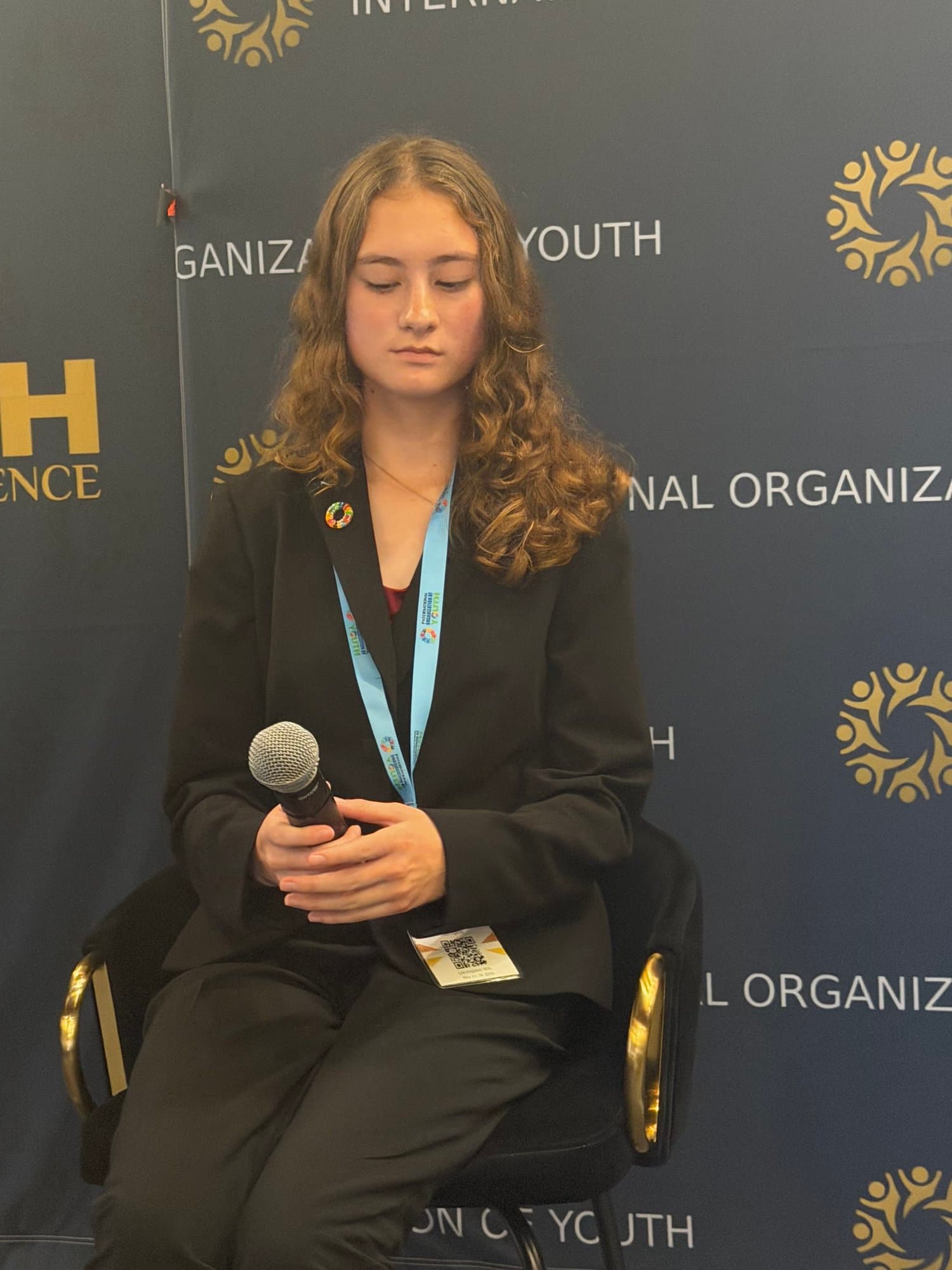
Kathryn Anderson representing Youthful Lawyers at a youth conference
Full founder interviewAttach the conversation with Kathryn hereRecommended: 16:9 MP4 or a YouTube link
2024
founded during the summer
31
countries with chapters
20
US states with chapters
30
students in one research fellowship cohort

Legal curiosity had nowhere to go after mock trial

What made you start Youthful Lawyers?

“For law, outside of your standard mock trial team, most people do not have an opportunity to explore the field.”Kathryn Anderson

Kathryn watched friends interested in STEM join teams, conduct research, and enter competitions. Students interested in law had far fewer ways to practice the field together.

Many youth legal organizations stopped at posting explainers on Instagram. Members might join, but the only work available was often designing more posts. Kathryn wanted the organization itself to create the experiences students were looking for.

That distinction became the rule for Youthful Lawyers: do not only talk about access. Host the competition, review the article, invite the attorney, and help a chapter bring the opportunity home.

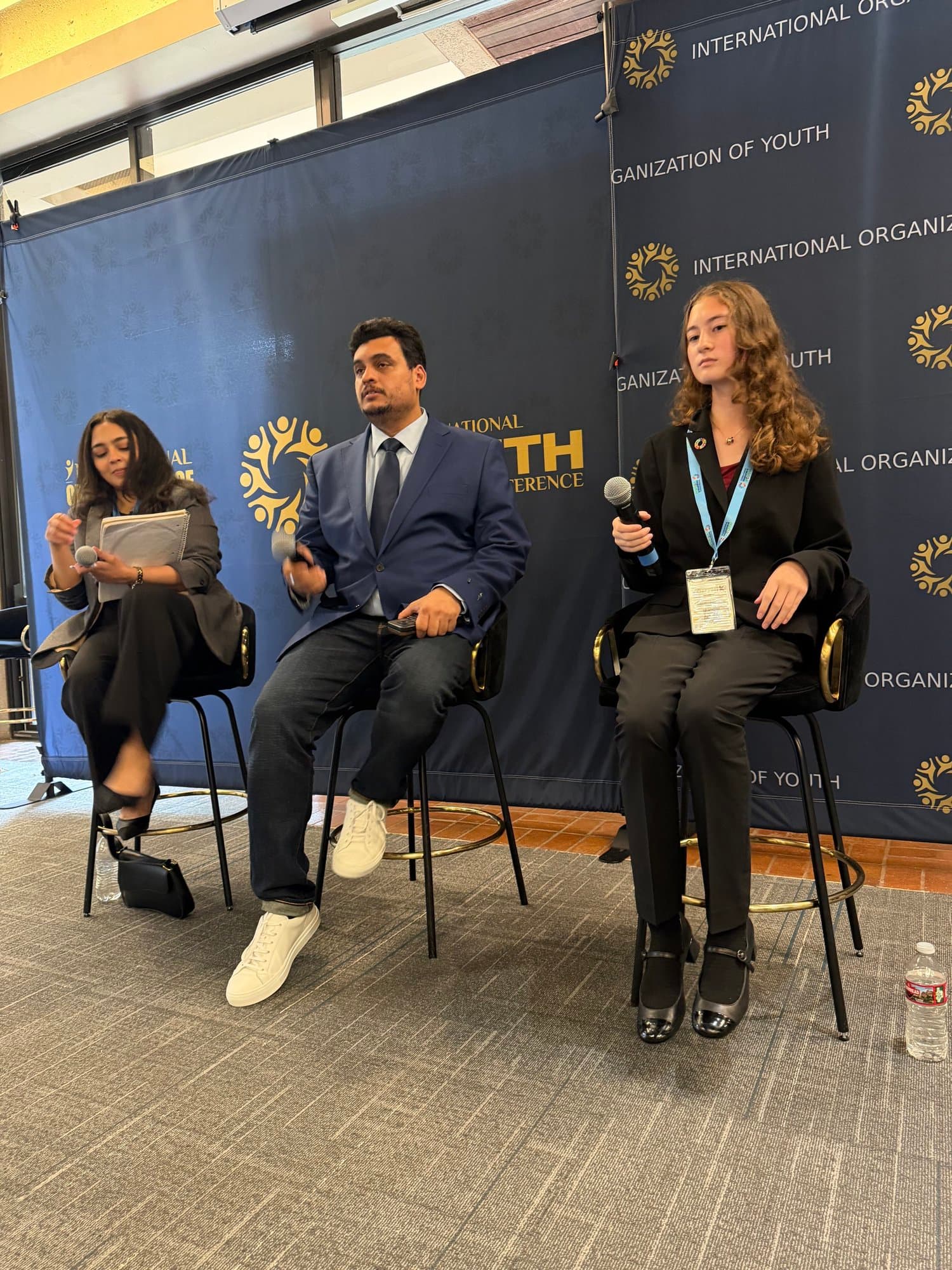
Young advocates speaking on a conference panel
Youthful Lawyers brings young voices into professional rooms.

Make the mission visible through work students can do

The organization grew around four practical pathways. Each one turns interest in law into a concrete output, responsibility, or relationship.

01

Compete

Essay competitions

Students practice legal reasoning through accessible competitions that go beyond the standard mock trial route.
02

Publish

Youth law review

Young writers submit articles, receive edits and feedback, then work toward publishing their ideas.
03

Lead

School chapters

Chapter leaders receive educational resources and support finding local speakers, partners, and event opportunities.
04

Research

Legal research fellowship

Lawyers and college students teach beginners how to structure, write, improve, and publish a research paper.
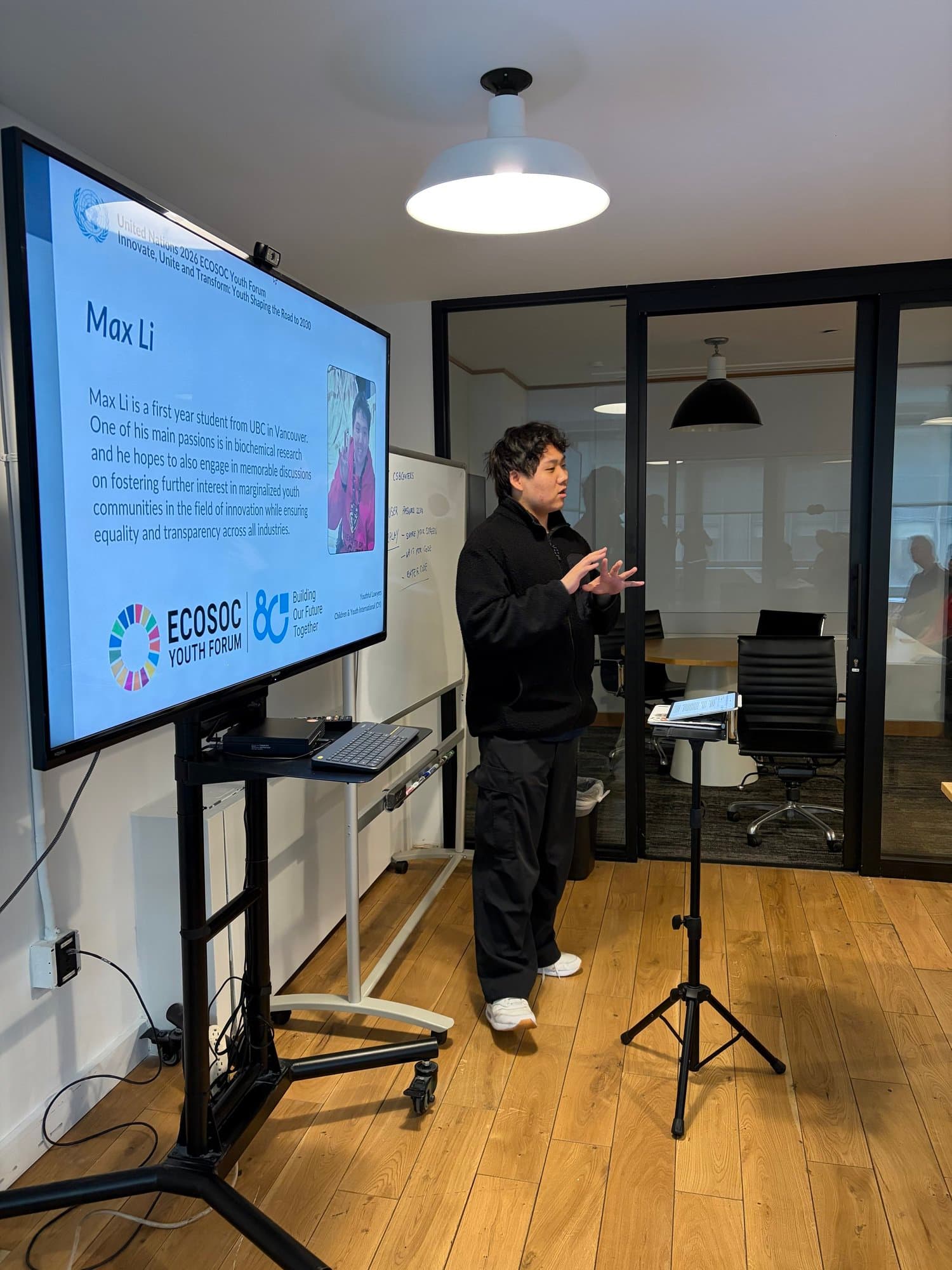
A young speaker presenting research to an audience
Students practice presenting ideas in professional settings.
A speaker leading a Youthful Lawyers workshop
Beginner-friendly workshops make research skills approachable.

03. Partnership outreach

A strong partnership email arrives with a plan

What should a student include in an outreach message?

“Do not go looking for people to just help you. Come with an idea fully thought out: this is what I would do, this is how I would execute it, and this is how I can use your help.”Kathryn Anderson
WhoIntroduce the organization and the students it serves.
Why themExplain why this specific partner fits the mission.
The planPresent a concrete initiative, not a vague request to collaborate.
Their roleName the exact support you need and make the next step easy.

Smaller partners can help create the first credible proof point

How did you find professionals willing to help?

“Reach out to smaller organizations that have a better chance of getting back to you, then leverage those partnerships for potential bigger ones later on.”Kathryn Anderson

Before Youthful Lawyers was incorporated, one early collaboration was with the Healing Justice Project, a Michigan initiative supporting exonerees and crime victims. Kathryn's proposal made the student team's contribution specific: personalized care packages, career materials, fundraising, and a clear fulfillment process.

For the legal research fellowship, the team contacted attorneys at a local prosecutor's office and asked them to explain what they look for in young interns. It also approached student research publishers with a real cohort of about 30 writers and a direct request for guidance.

The pattern was repeatable. Start with an aligned organization, bring useful work, ask for a narrow contribution, then follow through.

Kathryn Anderson at an international youth forum
Early local proof can open doors to broader opportunities.

05. The growth curve

Five generalists became a team of focused departments

In the beginning, roughly five people handled everything: plans, posts, outreach, and events. Early programs might receive only ten submissions, so every launch required constant promotion.

“Be true to your mission. Do not just post about law. Actually host and create the opportunities that you want to see.”

As more students found the work, the organization created specialized departments for membership and chapters, legal review, event planning, and other recurring needs. The founder no longer had to make every post because the work had become a system.

The work in motion

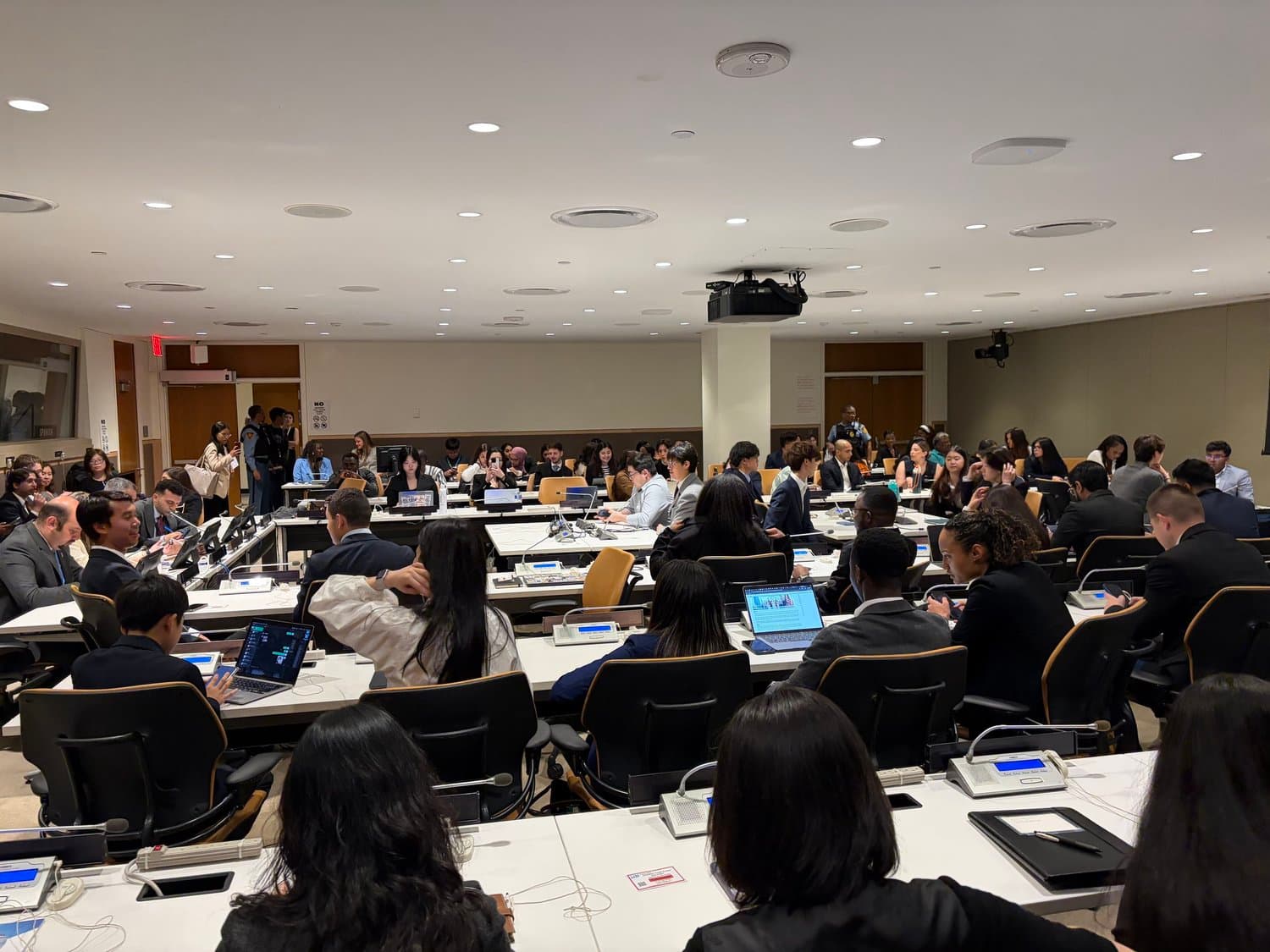
Students attending an international youth policy forum
Students learning in a global policy forum
Youthful Lawyers workshop participants posing together
A workshop cohort
Kathryn Anderson at a youth leadership conference
Founder Kathryn Anderson

Images courtesy of Youthful Lawyers.

06. Build your version

A practical route from one idea to a working youth initiative

Built from Kathryn's advice and the sequence Youthful Lawyers used.

01

Find the gap

Start with the opportunity you wish existed

  • Talk to students who share the interest
  • Name the missing experience
  • Choose one useful first activity
02

Make it real

Create value before chasing status

  • Run the event before incorporating
  • Make participation beginner friendly
  • Collect proof that students showed up
03

Pitch clearly

Ask a specific partner for specific help

  • Lead with a complete proposal
  • Show what your team will handle
  • Have the follow-up step ready
04

Build the team

Turn repeated work into departments

  • Separate outreach, programs, and review
  • Give people work tied to the mission
  • Let early traction compound
Youthful Lawyers students after a workshop

Take the next step

Join a team, start a chapter, submit your work, or enter the next competition.

Youthful Lawyers posts current student opportunities through its website and social channels.

Explore Youthful Lawyers