
Passion Projects

Founder field notes

How one full webinar became a global healthcare community

Dr. Interested helps young people explore healthcare careers, contribute to research and policy, and find a community built around taking action.

Adil Mukhi speaking
Adil MukhiFounder and Executive Director, Dr. Interested
Website Instagram
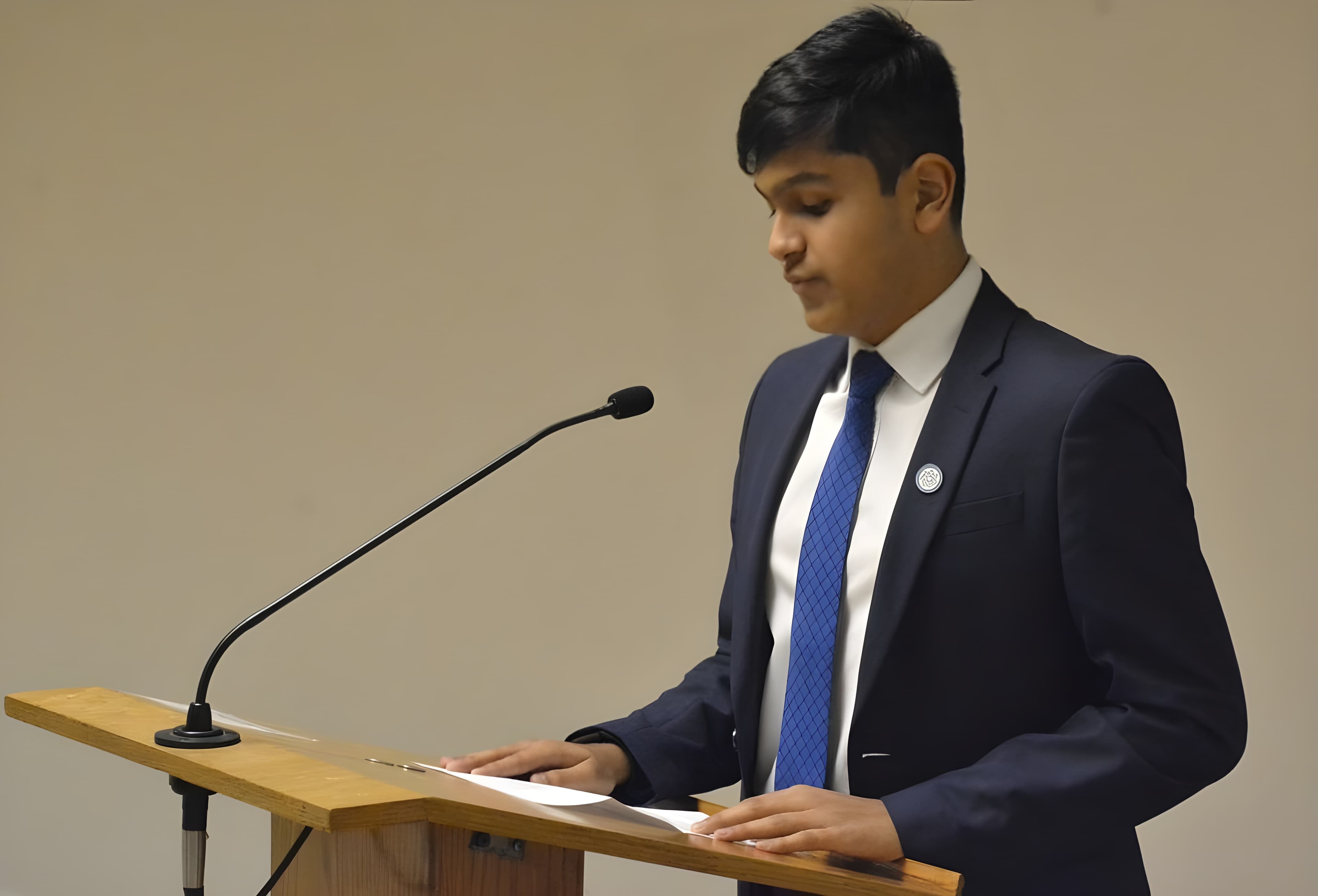
Adil Mukhi presenting at a lectern
Full interviewInterview video to be attachedAdil Mukhi on building Dr. Interested
160,000+
youth impacted
106
countries reached
1,400+
members
3.7M+
content impressions

What the organization does

Three pillars move students from interest to action

The organization began with healthcare career exploration, then widened into research, policy participation, and an international peer community.

Students attending a Dr. Interested Resilient Minds virtual session

Explore

Career education

Webinars, office hours, and expert conversations expose students to healthcare paths beyond the single title of doctor.
Dr. Interested youth researchers meeting on Zoom

Contribute

Research and policy

Research competitions and policy work give youth a way to investigate health questions, develop recommendations, and enter advocacy spaces.
The Dr. Interested Discord office hours channel

Belong

Community

A global Discord community and in-person events create a safer place for students to ask questions, find mentors, and meet peers.

The difference between saying “doctor” and seeing the field

What specific experience inspired you to create Dr. Interested?

“A lot of people do not know that there are so many specifics. We held our first event so people could learn about different careers, while also talking about burnout and mental health. The Google Meet was full.”Adil Mukhi

In Grade 9, a mentor introduced Adil to laboratory research, qualitative research, and policy work. The experience changed his own answer from a broad interest in medicine to a far more specific picture of what a career could look like.

Then he heard classmates repeatedly give the same one-word career plan: doctor. The first Dr. Interested session responded with specificity. It paired healthcare career exploration with burnout and mental health during exam season.

The room filled. That was enough evidence to keep building.
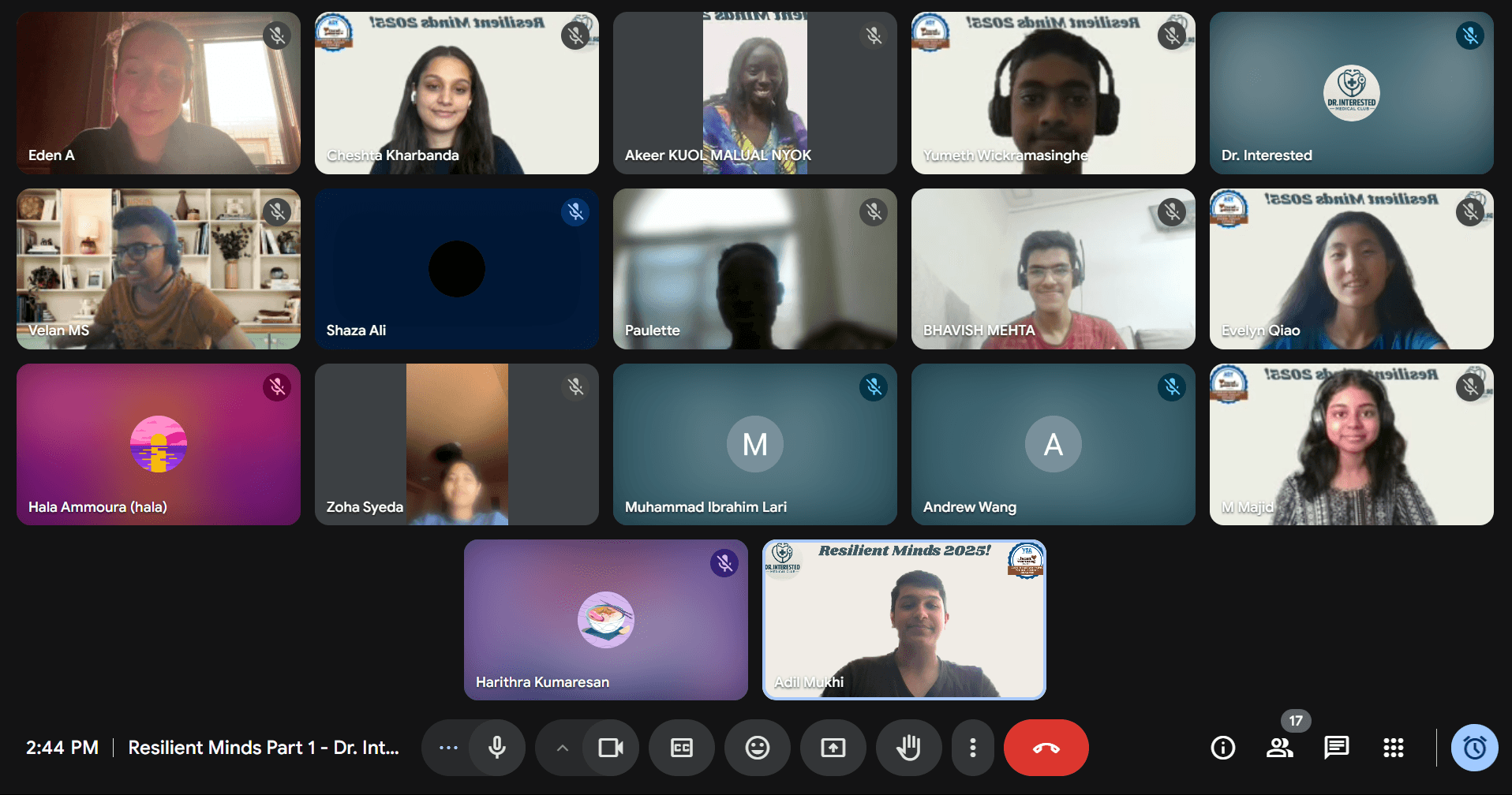
Youth participants in a Dr. Interested mental health webinar
Career exploration and student wellness were connected from the first event.

02. The main journey

Build enough structure to launch, then let delivery reveal what comes next

Adil's journey is not a story of perfect planning. It is a sequence of public tests, visible constraints, and operating changes.

01

Signal

The first webinar filled its Google Meet

Response

Treat attendance as proof, not the finish line

A narrow event around careers, burnout, and exam-season mental health showed that students would make time for the problem.
02

Signal

The Instagram page went quiet during exams

Response

Return and build the minimum credible base

The team added a basic website, social presence, and an initial executive group of about 10 people before launching again.
03

Signal

The second event took off

Response

Run first, then study the pressure points

Real delivery exposed the limits that planning alone could not. The first clear capacity problem was Google Meet itself.
04

Signal

Growth outpaced the free tools

Response

Scale systems before scaling people

A team near 400 created marketing, publishing, and coordination backlogs. The next cycle intentionally reduced headcount while rebuilding operations.

A deadline is more useful than another month of polishing

How can a student organization break out of the planning stage?

“Build a basic website, build a basic Instagram, and push yourself to run that first event. That first event will show you the pressure points in your organization.”Adil Mukhi

An invitation to contribute to a larger conference gave the early team a real deadline. It cut through the list of things that could have been improved first.

The first capacity problem was simple: Google Meet could not hold the audience. Moving to Zoom for nonprofits was not part of an abstract operating plan. It was the next answer demanded by real participation.

The transferable lesson is to make the first event small enough to run and concrete enough to expose what the second event needs.

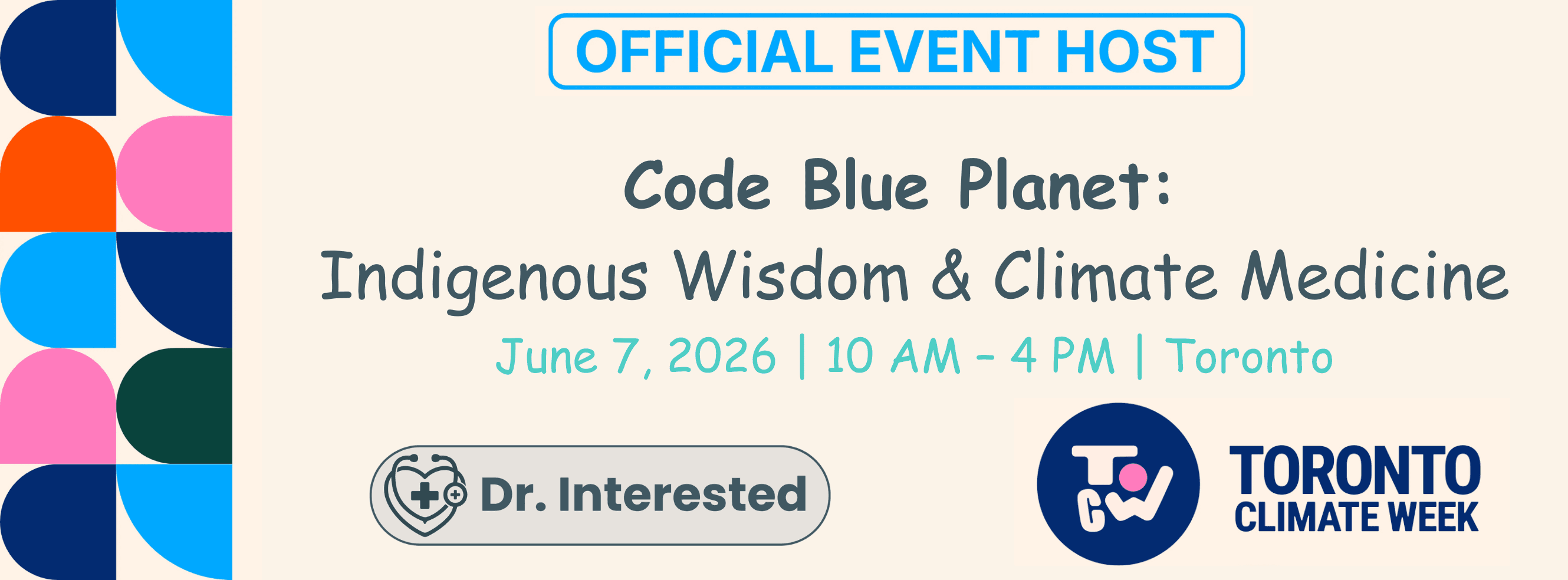
Code Blue Planet climate medicine event hosted by Dr. Interested for Toronto Climate Week
A current program connects climate change to emerging health careers.

04. Scale the system

A larger team only works when responsibility can travel clearly

The organization began with about 10 people and roughly eight departments. As it grew, the team added event-specific ownership and a hierarchy that kept every request from landing with the founder.

Event needExecutive assistant defines the brief
DepartmentDirector schedules the work
ProductionDeputy and team deliver it
LeadershipFounder signs off where needed
“You need to scale your systems before you scale people.”

When the team approached 400 people, free marketing tools, website publishing, and internal coordination became bottlenecks. The next plan was intentionally smaller while the back end caught up.

One campaign per week, translated for three audiences

Dr. Interested does not ask every channel to do the same job.

Dr. Interested Instagram profile image

Youth audience

Instagram

Reels, posts, and stories concentrate on one campaign each week, then flow to other social platforms.
6,000

Adult and partner audience

Biweekly newsletter

Parents, researchers, professors, and funders receive a complete high-level summary every two weeks.
Search

Discovery audience

Website and AI referrals

Clear pages and strong search visibility help students find events when they ask Google or AI tools what is available.
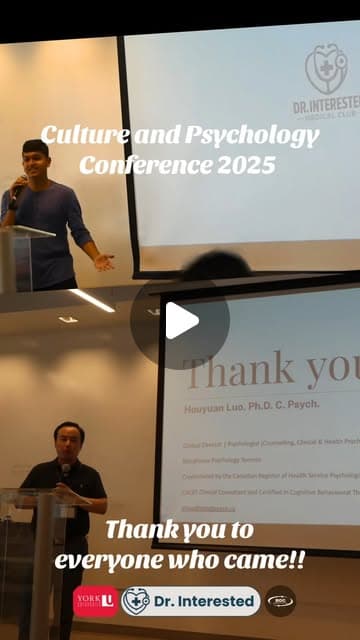
Dr. Interested Instagram recap of the Culture and Psychology Conference

From the official Instagram

Show the room, not only the announcement

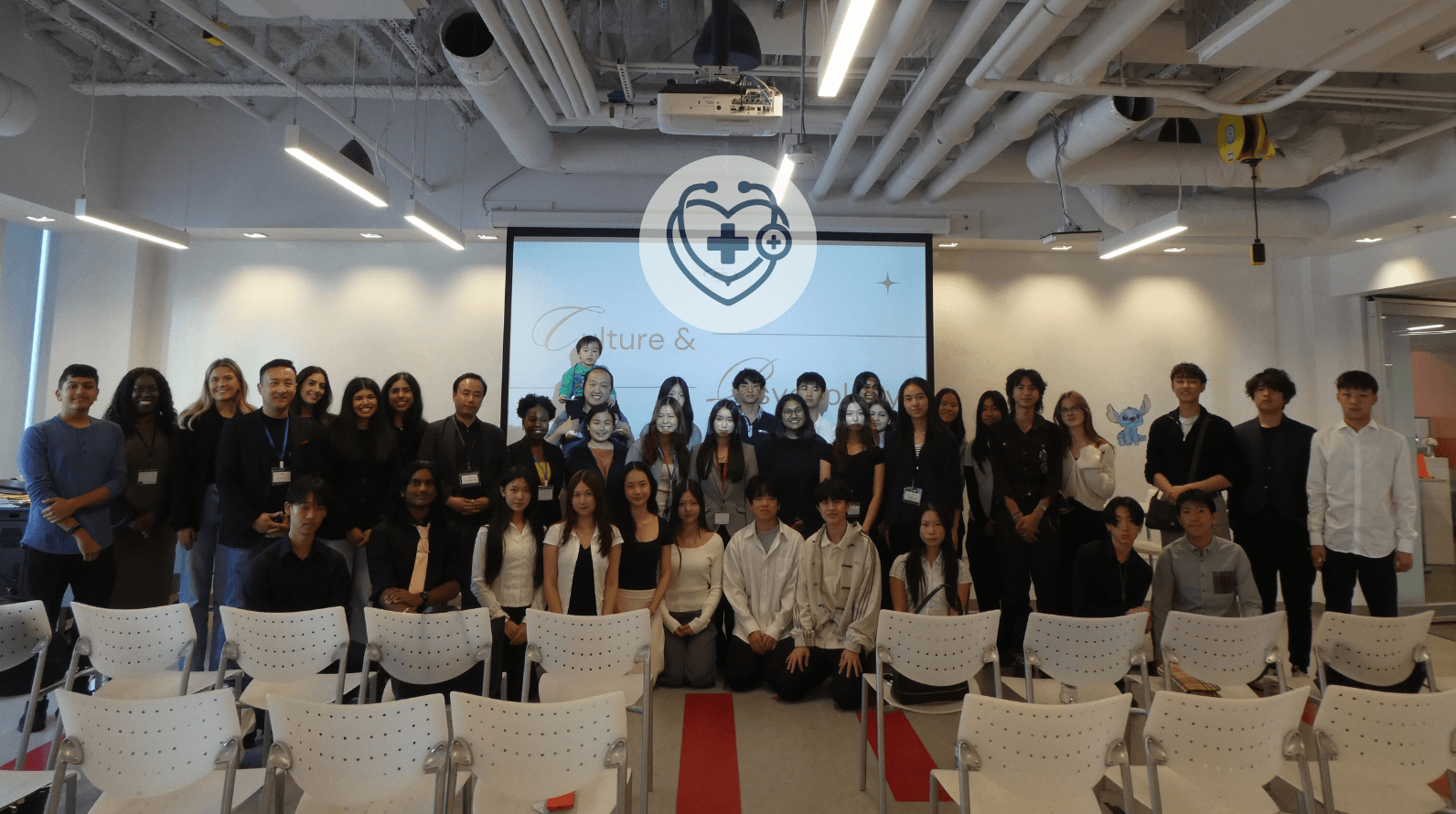
The Culture and Psychology Conference recap turns a finished event into evidence for the next participant, volunteer, or partner. The organization's own event photography makes the work tangible.

View the original post
Students and speakers at the Dr. Interested Culture and Psychology Conference

06. Make the problem local

An organization exists for the community, not the title of founder

“Even if it is a global issue like climate change or education, you are solving it in your local perspective.”

Adil's most specific advice is a filter: begin with sustained personal interest, check whether another group already serves the need, and define the version of the problem that exists around you. Novelty does not mean inventing a new global issue. It means contributing a missing local response.

07. A founder's field guide

From genuine interest to a project that can grow

Four moves distilled from the interview, with the operating constraint attached to each one.

01

Explore

Earn a point of view

  • Work in the field before naming the project
  • Notice what keeps confusing people around you
  • Choose a local version of the problem
02

Test

Set one public deadline

  • Run one focused event
  • Use the simplest tools that work
  • Record the first pressure point
03

Build

Create the operating base

  • Recruit a small nearby core team
  • Give each person one clear owner area
  • Add systems only when delivery demands them
04

Grow

Focus every channel

  • Promote one campaign at a time
  • Adapt the message for youth and adults
  • Increase capacity before adding volunteers

Complete interview

Adil Mukhi on building Dr. Interested

Every substantive interview question is included below. Responses were lightly edited to remove filler and repetition while preserving meaning.

Can you tell me more about the organization you created?

Dr. Interested is built around helping youth enter career and policy spaces with the tools they need to succeed. Our first pillar is career education, especially for equity-deserving youth who may not have access to career exploration. The second is policy and research. We work with youth on recommendations, advocacy, conferences, and grants that help them participate. The third pillar is community, including our Discord and in-person events in Canada, the United States, and the Middle East.

Adil Mukhi, interview recorded July 17, 2026
How is Dr. Interested involved in healthcare?

We were founded around healthcare careers because many students say they want to be a doctor and stop there, even though there is so much more. Our career education explores those different paths. Our policy work often focuses on education or healthcare, and our research proposal competitions have also covered biology and neuroscience. At Toronto Climate Week, we focused on health careers emerging from climate change and its effects on physical, mental, and Indigenous health.

Adil Mukhi, interview recorded July 17, 2026
What specific experience inspired you to create Dr. Interested?

In Grade 9, I walked into a club and connected with a mentor who helped me with research and policy. I discovered that I loved laboratory and qualitative research. Later, friends at school were talking about careers, and many simply said doctor. At the time I was very specific about wanting to be a trauma surgeon. I realized people did not know how many paths existed. We held a first event about different careers, burnout, and mental health during exam season. The Google Meet filled completely, and the organization grew from there.

Adil Mukhi, interview recorded July 17, 2026
Can you walk me through establishing, building, and growing the organization?

After the first webinar, we made an Instagram page and left it quiet for a while because of exams. When we returned, we studied established and youth-led organizations. They had websites, social presences, and teams, so we built that base with an executive team of about 10. Then we launched our second event, which really took off. The balance matters: do not stay in planning forever, but do not skip the foundation you will need if the work grows.

Adil Mukhi, interview recorded July 17, 2026
How did you find the initial team, and what advice would you give a Grade 9 founder?

Part of the team came from my school and the IB program. Some friends were health-focused and all were thinking seriously about careers. Other executives came from online communities where I had mentored before. We asked Discord servers and Instagram pages to share the opportunity. Start with people nearby, even for a virtual organization. Being able to meet, plan, and film together helps at the beginning. Then use established online communities to reach talent elsewhere.

Adil Mukhi, interview recorded July 17, 2026
How can an organization stop planning and actually host its first event?

A larger conference invited us to run an event, and that external deadline pushed us. Give yourself a deadline. You do not need the perfect website, a blog, or a bigger team before starting. Build the basics and run the first event. It will reveal the pressure points you need to solve next. Our first was Google Meet, so we moved to Zoom for nonprofits.

Adil Mukhi, interview recorded July 17, 2026
What initiatives can a beginner try in their own organization?

Explore your own interests before starting an organization. Otherwise it becomes another extracurricular task you do because you have to. I spent about two years in policy and research, learning what I liked. Career education emerged from that experience. Find the overlap between what you genuinely care about and what your community needs. That intersection is where a useful organization can begin.

Adil Mukhi, interview recorded July 17, 2026
How large was the team, and what did that growth teach you?

In the year that had just ended, we had about 160 executives, 200 ambassadors, and 20 podcast team members, close to 400 people. We had started around 10 and ended the first year around 40. A grant condition led us to accept every decent application, and our systems were not ready. Free marketing tools limited posts, website updates fell behind, and some people had nothing to do. Scale your systems before you scale people. We planned to reduce the next executive team to about 200 while strengthening the back end.

Adil Mukhi, interview recorded July 17, 2026
How did you train, assign work, and keep volunteers involved?

With about 10 people, nearly everyone directed a department and managed their own area. At a much larger size, executive assistants took charge of specific events. They told a director what was needed, the director scheduled the work, and deputy directors worked with their teams to make it. That hierarchy reduced the load at the top and let us run several events at once. Engagement also comes from what volunteers receive, such as service certifications, award nominations, and real opportunities to build relationships.

Adil Mukhi, interview recorded July 17, 2026
What marketing strategy contributed most to the growth?

It is a mix of Instagram, newsletters, websites, search, and AI referrals. Instagram is the main channel for high school students, and we focus it in weekly campaign blocks so there is only one message at a time. The same content is reposted to other platforms. Our newsletter goes to nearly 6,000 parents, researchers, professors, and funders every two weeks. A strong website and SEO also matter because students increasingly search or ask AI tools for opportunities.

Adil Mukhi, interview recorded July 17, 2026
What newsletter software should a new organization use?

When you start, you want something free and easy to use. If you have nonprofit registration, monday.com offers a nonprofit account. Without registration, I recommend ConvertKit. It is simple, though deliverability can sometimes be lower. There are more established tools, but they cost more, so you can transition once funding is available.

Adil Mukhi, interview recorded July 17, 2026
What is one highly specific piece of advice for launching a nonprofit?

Build it around something you are actually passionate about. An organization is meant to support the community, not a university application. Ask what you are truly helping and whether another organization already does it. Make the idea specific and local. Even if the issue is global, like climate change or education, solve the version that exists in your own community.

Adil Mukhi, interview recorded July 17, 2026
What can someone do today to support or join Dr. Interested?

Find us on Instagram at dr.interested or visit our website. Those are the best places to learn about current events, opportunities, and ways to volunteer.

Adil Mukhi, interview recorded July 17, 2026

Find your next step

Explore a healthcare path, join the community, or help run the next program.

Dr. Interested publishes current programs, events, research opportunities, and volunteer openings on its website.

Explore Dr. Interested