Loading page
Extracurriculars by major
Extracurriculars for Computer Science Majors
A computer science application reads best when your activities show you can write code for real purposes, then push that code into the world. These six activities move from a first school club and beginner competition pathway all the way to shipping a product used by others or founding a CS education organization.

Explorer
Start here and build momentum
Join or start a coding club
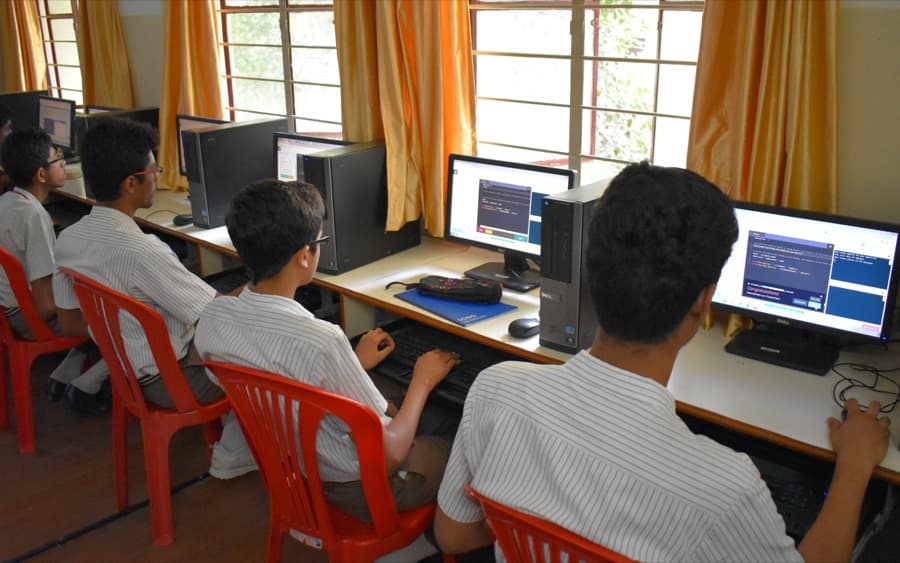
A school coding club is the fastest way to build a consistent practice and a peer group who can debug with you. If your school does not have one, starting it earns you the founder line and forces you to teach, which deepens your own understanding faster than solo study. CyberPatriot, the national cybersecurity competition for high schoolers, layers a competitive goal onto the club and gives you a concrete result to include on applications.
Find a coding path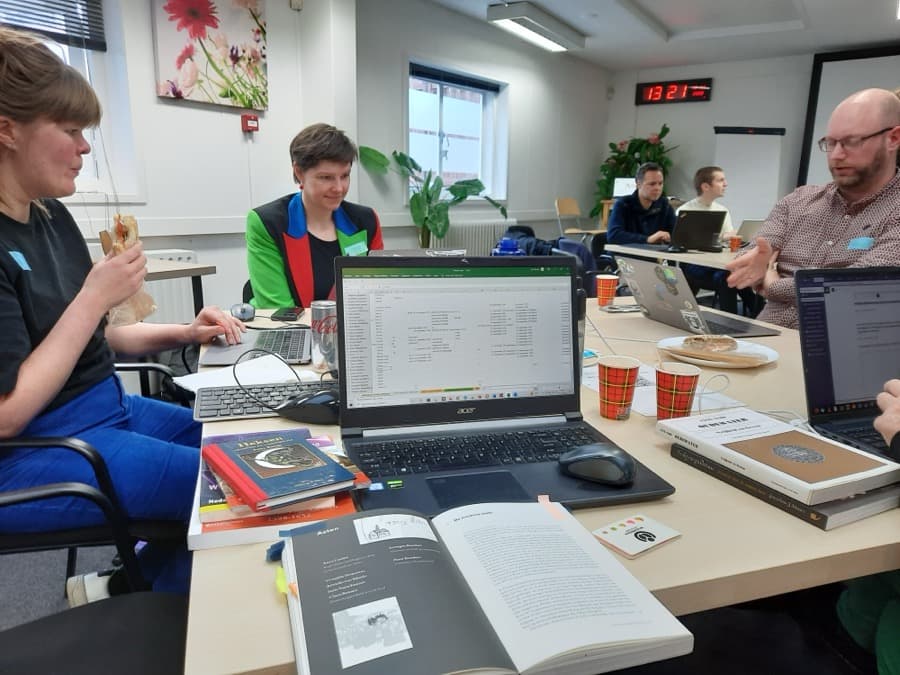
Build and ship your first real project
A project that runs in a browser and solves a problem for someone else is worth more on an application than any number of tutorial completions. Start small: a tool for your school, a Chrome extension, or an automation script for a club you are in. Hackathons are a structured way to force a finished product in 24 to 48 hours and give you a public repository and a project story to point to.
Find hackathons and project programsStrategist
Compete and get noticed

Start the USACO competitive programming pathway
The USA Computing Olympiad runs four online contests per year with divisions from Bronze to Platinum, and progression through the divisions is one of the clearest measurable signals in a CS application. Bronze is reachable with consistent practice on data structures and basic algorithms; Silver demands stronger problem reduction skills. Even reaching Silver by junior year places you in a select group among applicants.
See the USACO contest calendar
Do research with a professor
Cold-email professors at nearby universities whose published work touches a problem you genuinely care about, and reference one of their recent papers in your message so it does not read as a mass send. CS research can range from machine learning to systems to human-computer interaction, so lean into the area your own projects already touch. A poster presentation at a departmental symposium or a co-authored preprint is a realistic first milestone over a summer or school year.
Find CS research programsMythic
Build something exceptional
Found a CS education organization
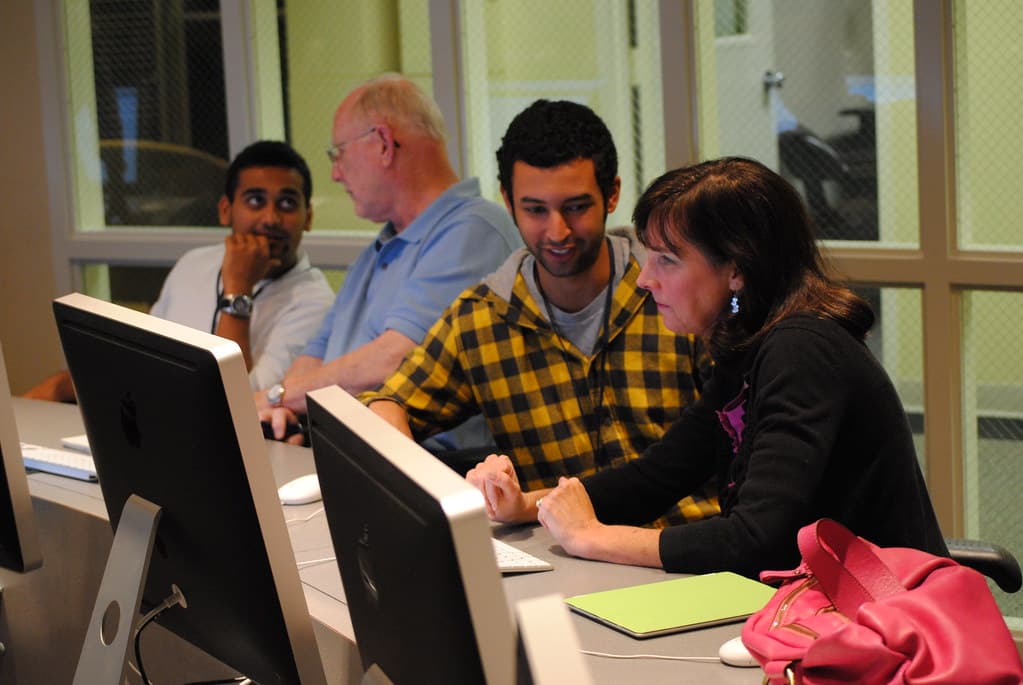
Building a product users depend on is one signal; building an organization that teaches others is another. Several students have turned a local coding workshop into a nonprofit with chapters, curriculum, and real student outcomes. The INNOSpark founder story shows how a local youth initiative secured partnerships with Replit, Notion, and the City of Toronto by executing one program well before scaling. That same proof-of-execution model applies directly to a CS outreach org.
Read the INNOSpark founder story
Reach USACO Gold or Platinum and target IOI
USACO Platinum promotion makes you eligible for the US Open, from which the top roughly 25 students are invited to the USA Computing Olympiad Training Camp. Camp selectees compete for four spots on the IOI national team. Even promotion to Gold in the junior year signals a level of algorithmic depth that elite CS programs treat as a meaningful differentiator.
See the USACO promotion pathQuestions, answered
Extracurriculars for computer science majors, explained
What extracurriculars should I do for a computer science major?
The strongest CS extracurriculars show that you write code for real purposes, not just for class. A competitive programming progression like USACO, a project that real users depend on, and research with a professor form a compelling arc. Admissions readers at top CS programs care about depth and results far more than the number of clubs on your list.
Does USACO help with college admissions for CS?
Yes, particularly at the Silver level and above. USACO is one of the few CS activities with a clear national ranking, so promotion to Silver or Gold gives admissions readers a concrete benchmark. Bronze participation alone is less distinctive, but consistent contest engagement combined with a real project portfolio tells a coherent story.
Can I get into a top CS program without coding competitions?
Absolutely. A student who has shipped software with real users, done genuine research, and can speak concretely about a technical problem they solved is just as compelling as a high USACO ranker. Competitions are one signal of technical depth; projects and research are equally strong alternatives, and often more interesting to read.
Build your roadmap
Answer four questions and get a personalized plan with activities and opportunities near you.