
Passion Projects

Founder field notes

How six lessons became a global stage for young founders

Brighton Ng on building credibility locally, emailing 200 companies, and turning a school workshop into one of the largest student-led pitch competitions.

BN
Brighton NgCo-founder, Growth
Website Instagram
The five-student INNOSpark founding team
Student-led from day oneThe INNOSpark founding teamBrighton Ng, Eden Chen, Alan Shao, Jessica Liu, and Rainnie Chen
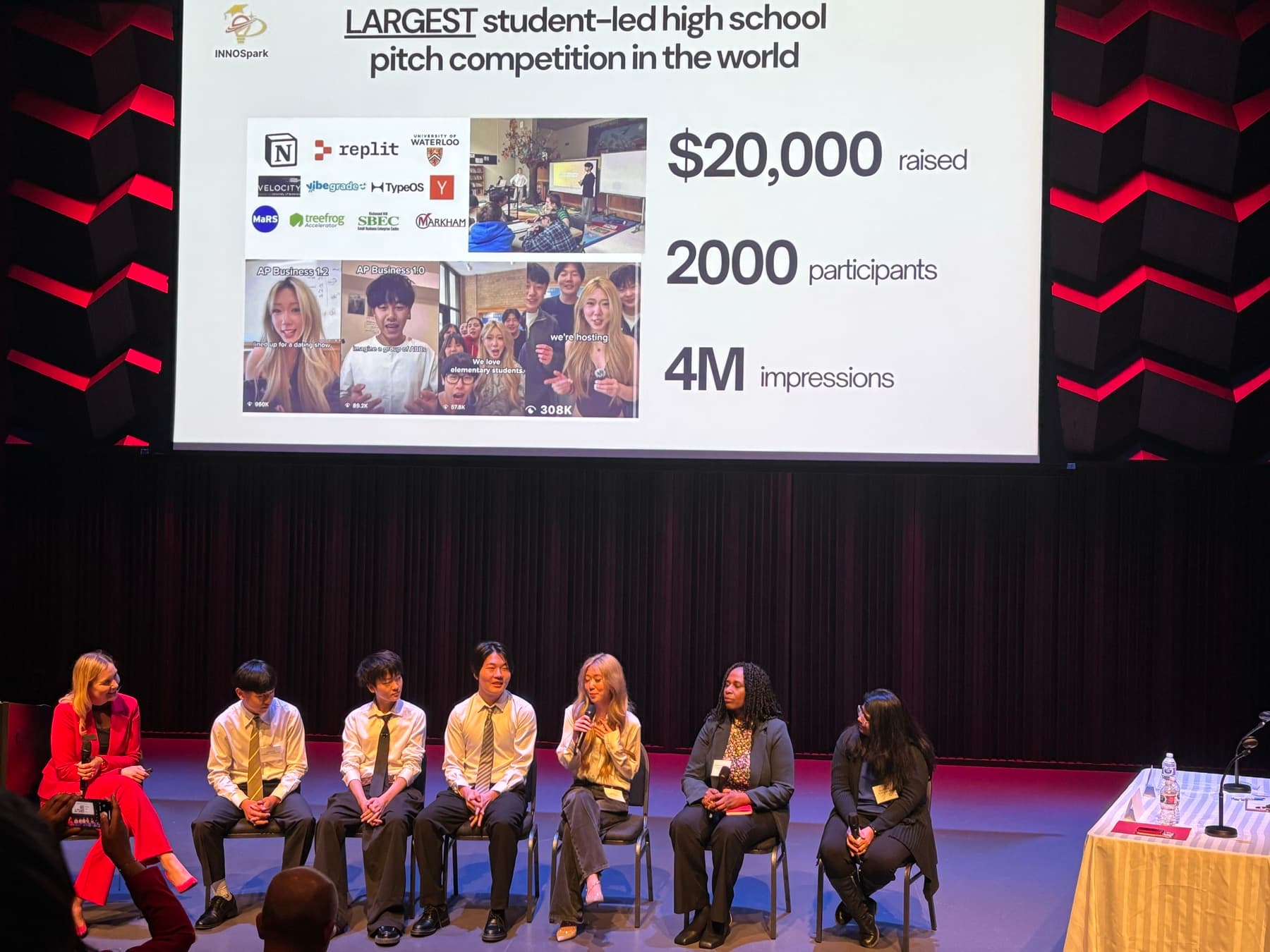
2,035
global participants
875
project submissions
6
continents represented
$20K
in prizes reported after the event

The missing lesson was how to begin

What experience inspired INNOSpark?

“I realized there was a lack of entrepreneurship education, especially on how to get started, get your first customer, or sell your first product.”Brighton Ng

In Grade 9 or 10, Brighton started a food-waste business that sold mystery boxes at local markets. Building it exposed the distance between learning business concepts and completing the first practical steps.

He also noticed that established student pitch competitions were often run by universities or large organizations. Youth founders could participate, but they rarely designed the stage themselves.

INNOSpark began as an answer to both gaps: practical entrepreneurship education for younger students, delivered by students who had recently faced the same questions.

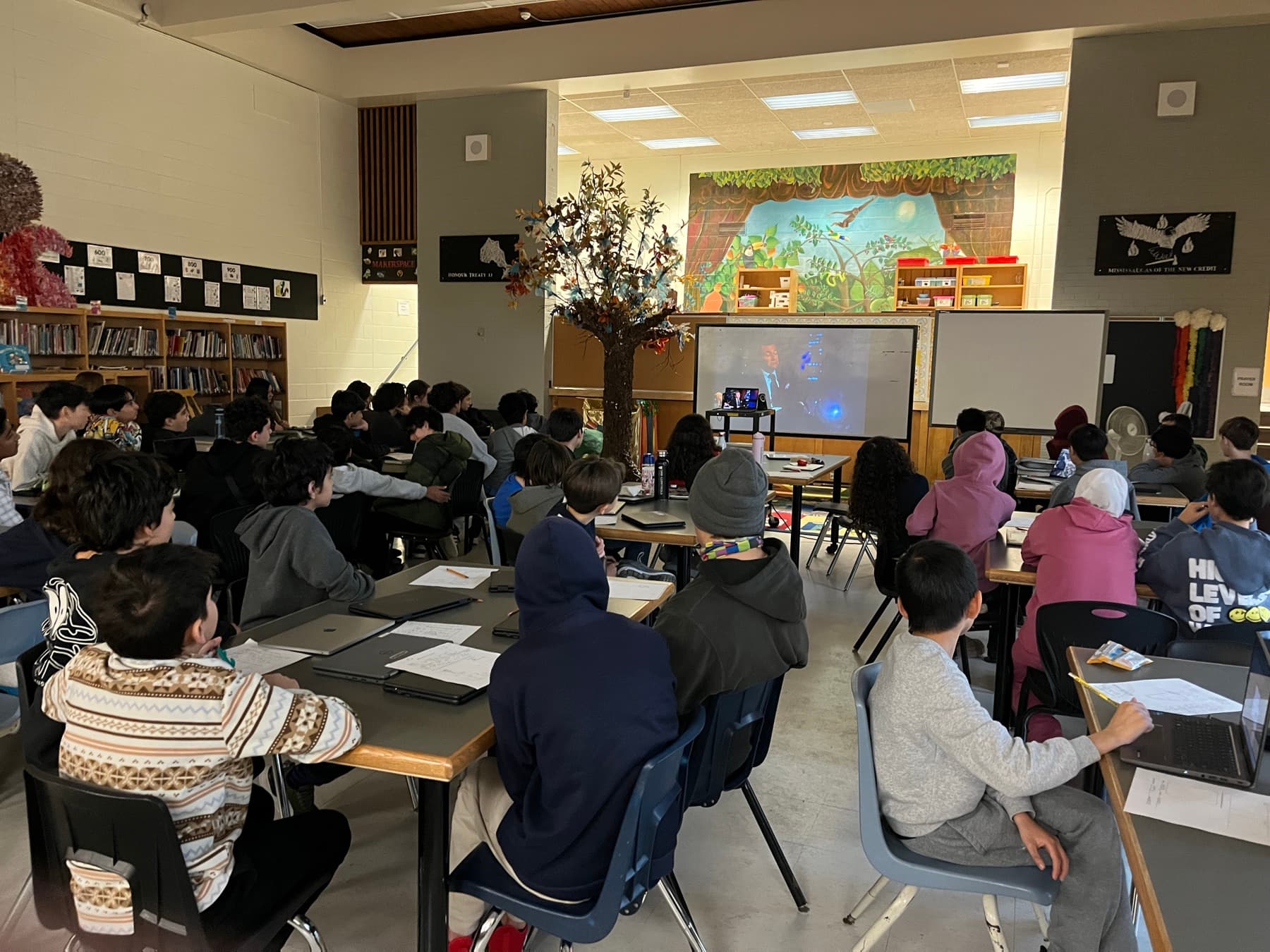
Middle school students taking part in an INNOSpark entrepreneurship workshop
The first audience was local Grade 7 and 8 classrooms.

Start with a workshop small enough to run yourself

The team built a six-lesson module in Canva, brought it to local middle schools, then invited students to present prototypes at their high school.

01

Learn

Business basics

A six-lesson Canva module introduced entrepreneurship, marketing, finance, and the work of finding a real problem.
02

Build

Prototype the idea

Middle school teams turned workshop concepts into early products they could explain and test.
03

Pitch

Present at the high school

Students who finished the workshop were invited to showcase their ideas in a real competition setting.
04

Prove

Create a track record

The local program gave INNOSpark evidence that it could teach, recruit, organize, and follow through.
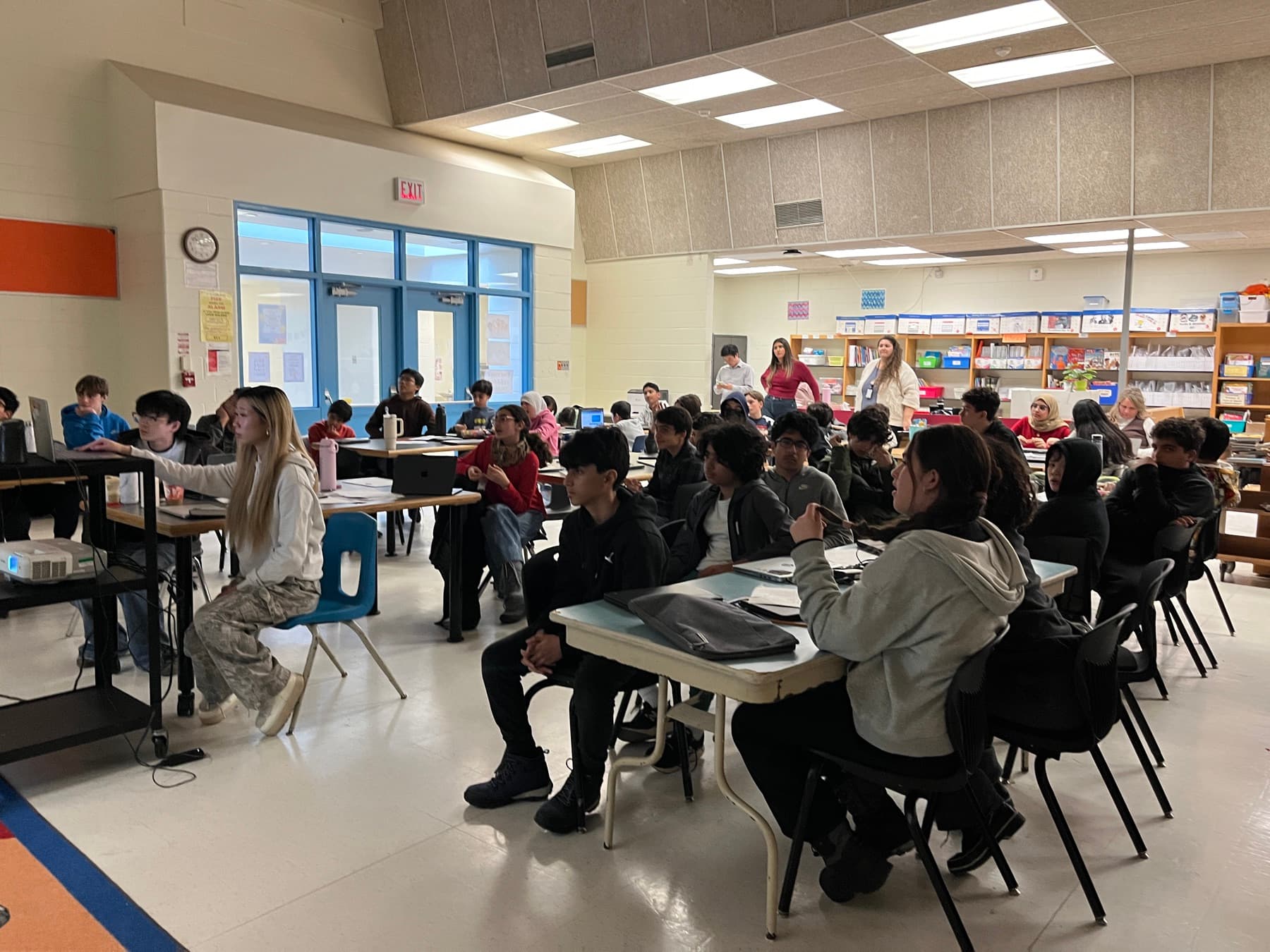
Students discussing ideas during an INNOSpark lesson
Discussion turned business vocabulary into decisions.
Students presenting an idea during an INNOSpark workshop
Every workshop moved toward a real pitch.

03. Plan backward

The global competition started on a whiteboard

What did the team work on first?

“We drew out the entire timeline and the deadlines we had to meet. We set March 1 as the launch, so partnerships and sponsorships had to be finalized before that date.”Brighton Ng

A fixed launch date turned a large ambition into a sequence. The team could see what needed to happen first, what could happen in parallel, and what would block the public announcement.

Do not ask for support until you can explain the return

What belongs in a sponsorship deck?

“Clearly outline what the sponsor gets. You can have different tiers, but the organization needs to understand the value of sponsoring the competition.”Brighton Ng

INNOSpark tailored the value proposition instead of sending one generic request to every prospect.

01

Value match

Local government

A stronger youth entrepreneurship pipeline and direct visibility into promising local founders.
02

Value match

Technology company

Early product adoption among students who may continue using the tool at university.
03

Value match

Education partner

A free, practical opportunity that turns classroom knowledge into student-led projects.
04

Value match

Every sponsor

A clear audience, concrete deliverables, and proof that the organizing team can execute.

The first outreach was warm. Brighton already knew people through a local youth business program and asked whether they would support the competition. Only after using those local relationships did the team expand into a much larger cold-email campaign.

For the broader list, the team used Apollo.io to find people working specifically in partnerships or sponsorships. A direct message to the right owner had a better chance than an email sent to a generic support inbox.

Each early yes made the next email stronger. INNOSpark could name an existing supporter and show that another organization had already evaluated the opportunity.

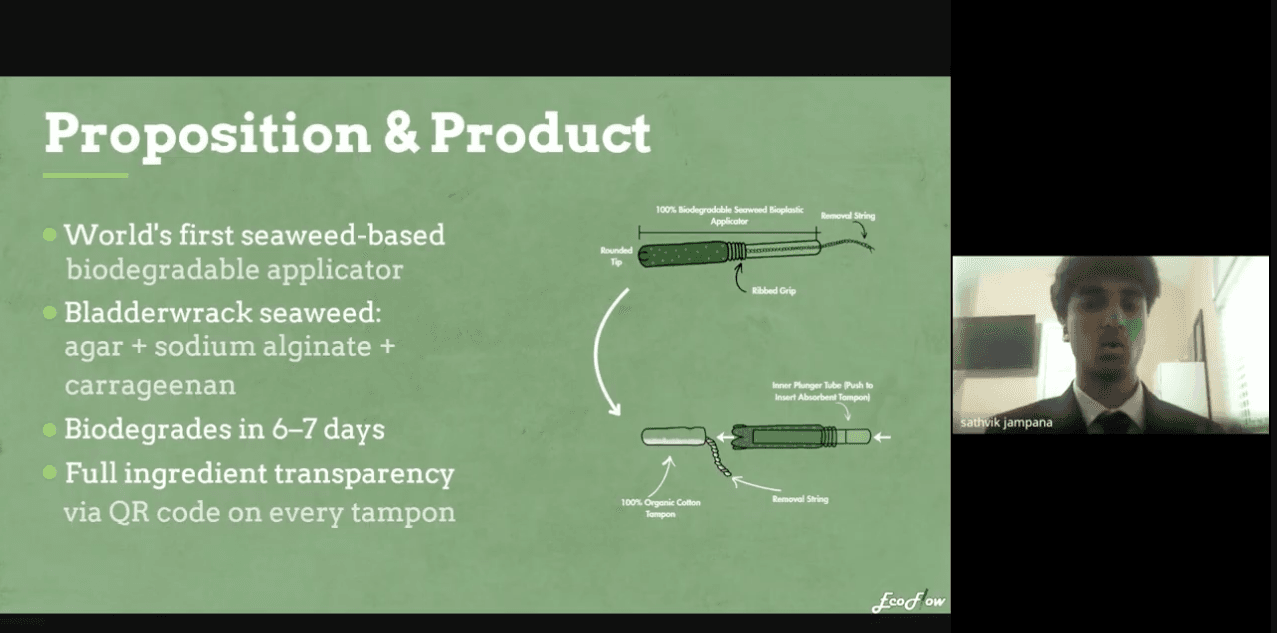
An EcoFlow finalist presenting during the INNOSpark global pitch competition
The sponsor promise became a real audience of student builders.

05. Credibility before scale

Run the small version before pitching the big one

INNOSpark's classroom workshops were more than an early program. They were proof that the team existed, understood entrepreneurship education, and could manage students, schools, and deadlines.

“We ran in-person workshops before the virtual competition, so we could show that we were an actual organization.”

Brighton also linked his personal social media in outreach. Sponsors could verify the person behind the email and see the team's ability to create attention for the organizations supporting them.

The work in motion

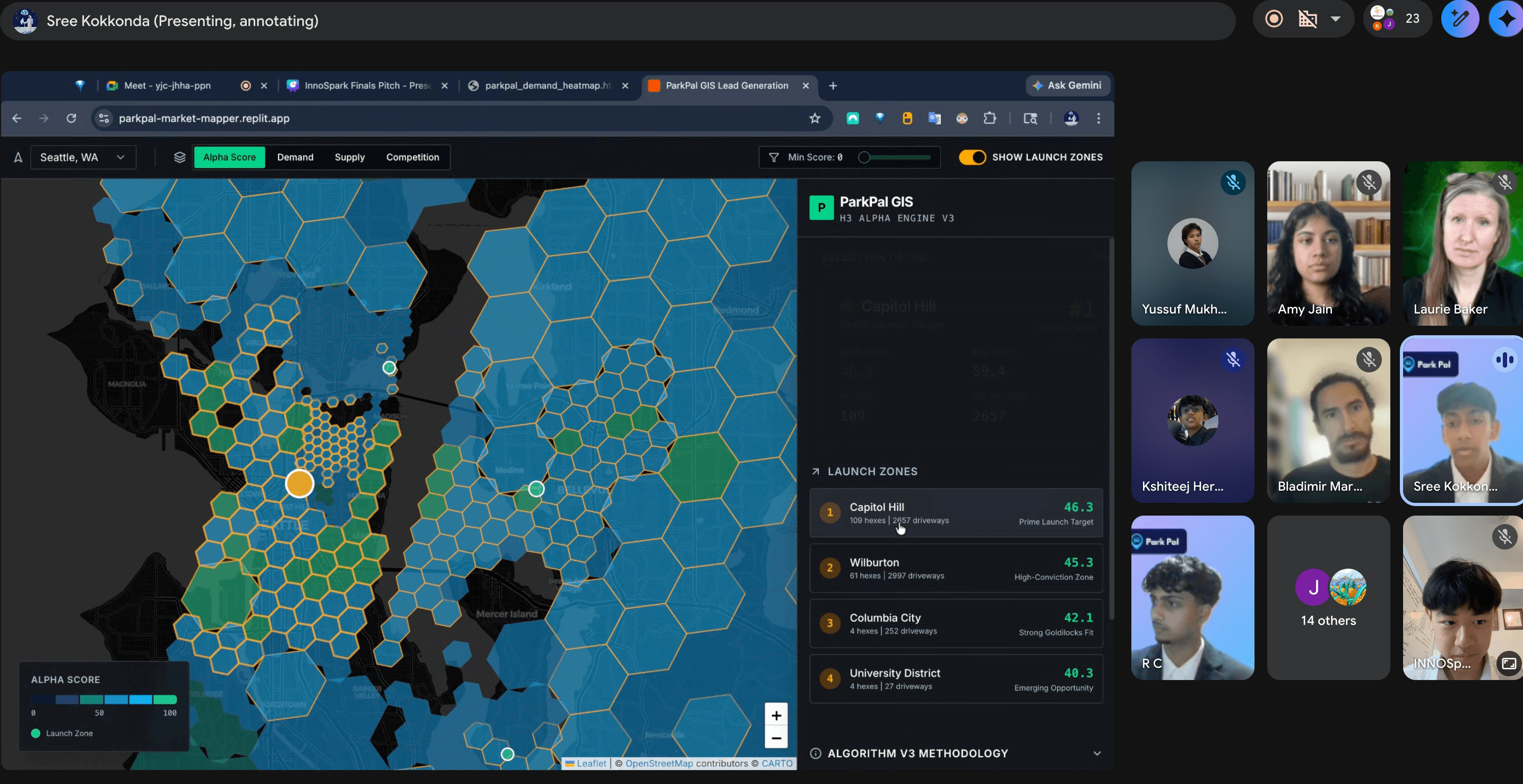
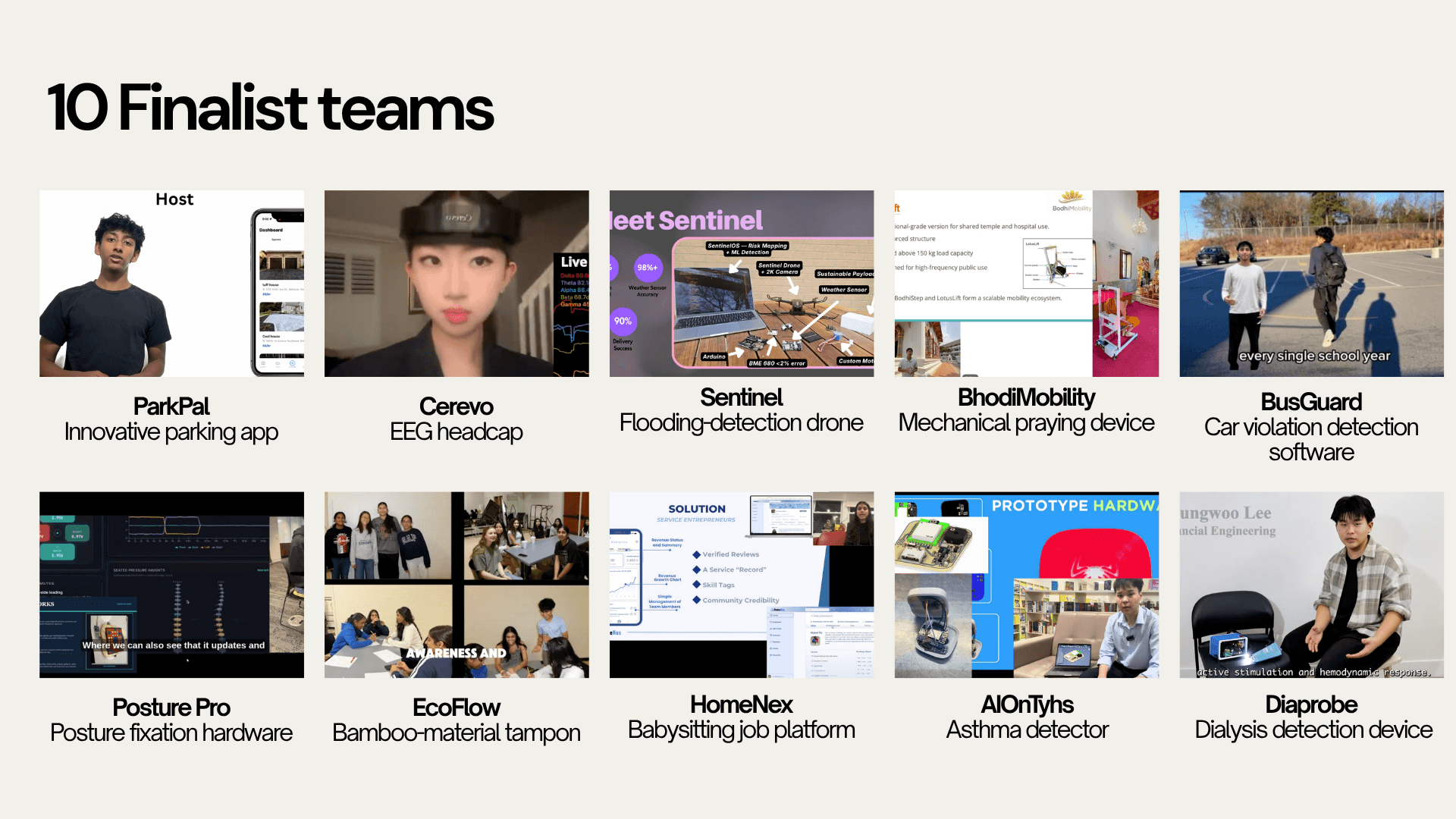
Ten finalist teams and the projects they entered in the INNOSpark competition
Ten finalist teams built across software, hardware, health, climate, and mobility.
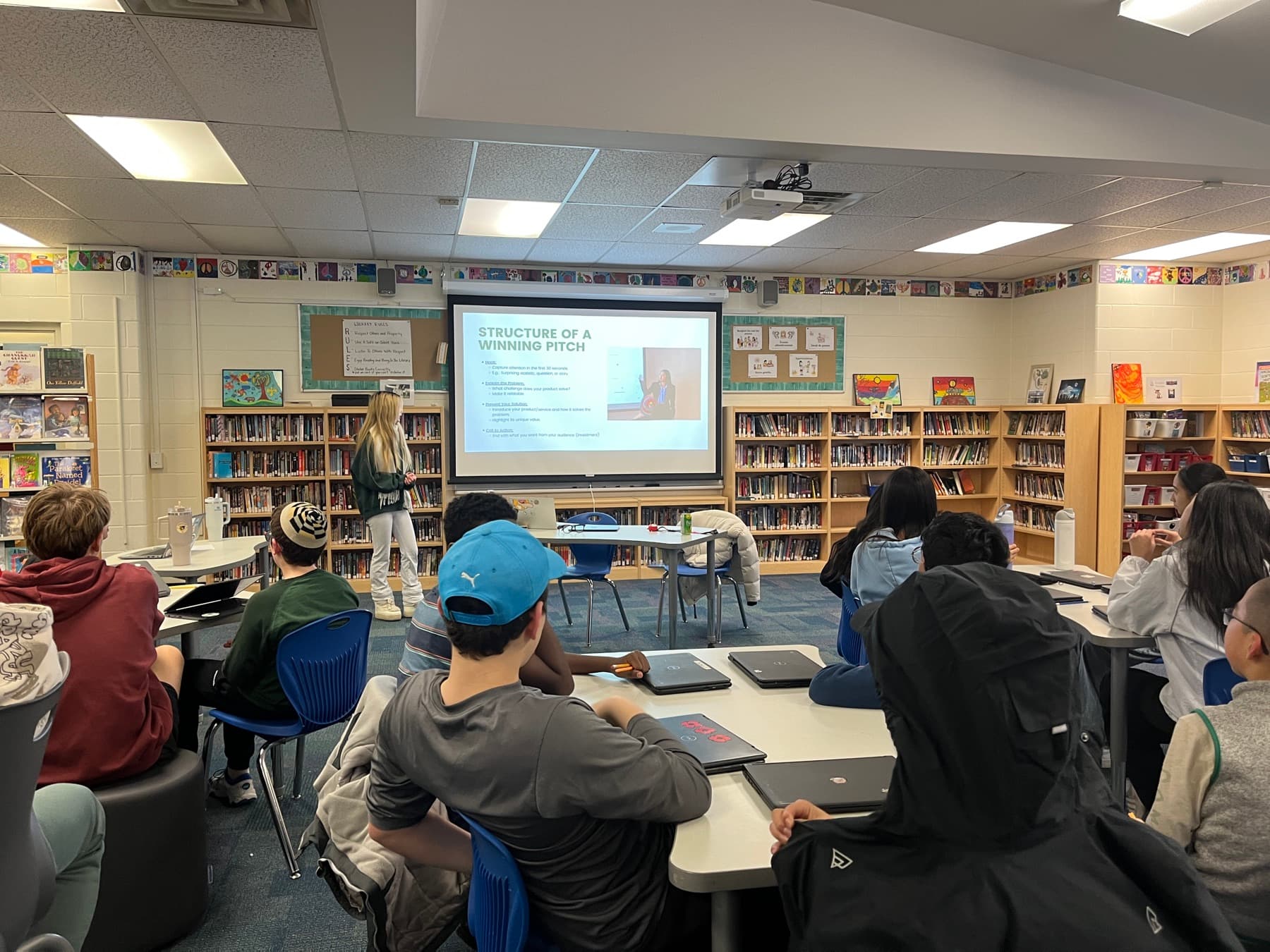
An INNOSpark facilitator teaching students how to structure a pitch
Teaching the structure of a winning pitch
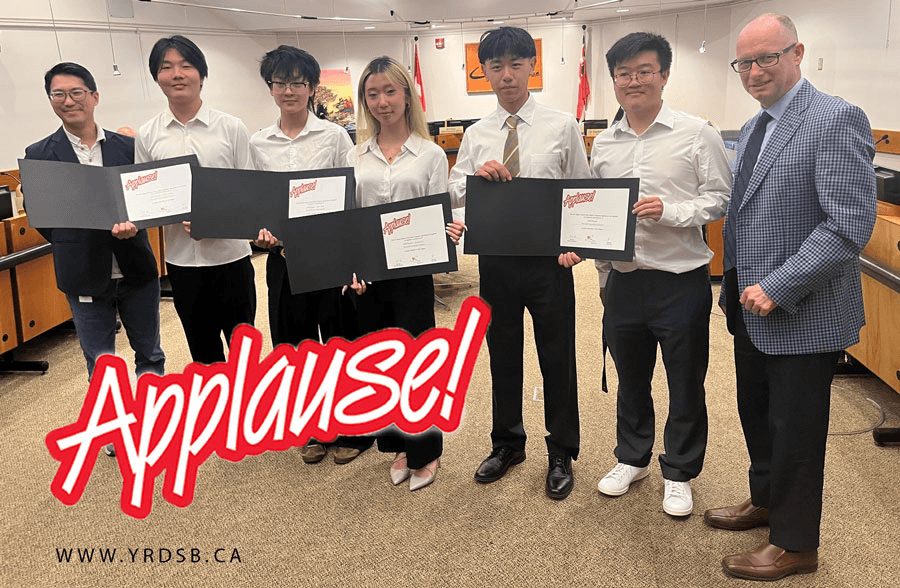
The INNOSpark team receiving York Region District School Board Applause certificates
Recognized by the York Region District School Board

Images courtesy of INNOSpark.

06. The launch playbook

A practical four-week promotion sequence

Built from Brighton's timeline, outreach process, and most specific lesson from the competition.

01

Four weeks out

Set the deadline, then work backward

  • Choose one public launch date
  • Finish sponsor commitments first
  • Map every dependency on a whiteboard
02

Launch day

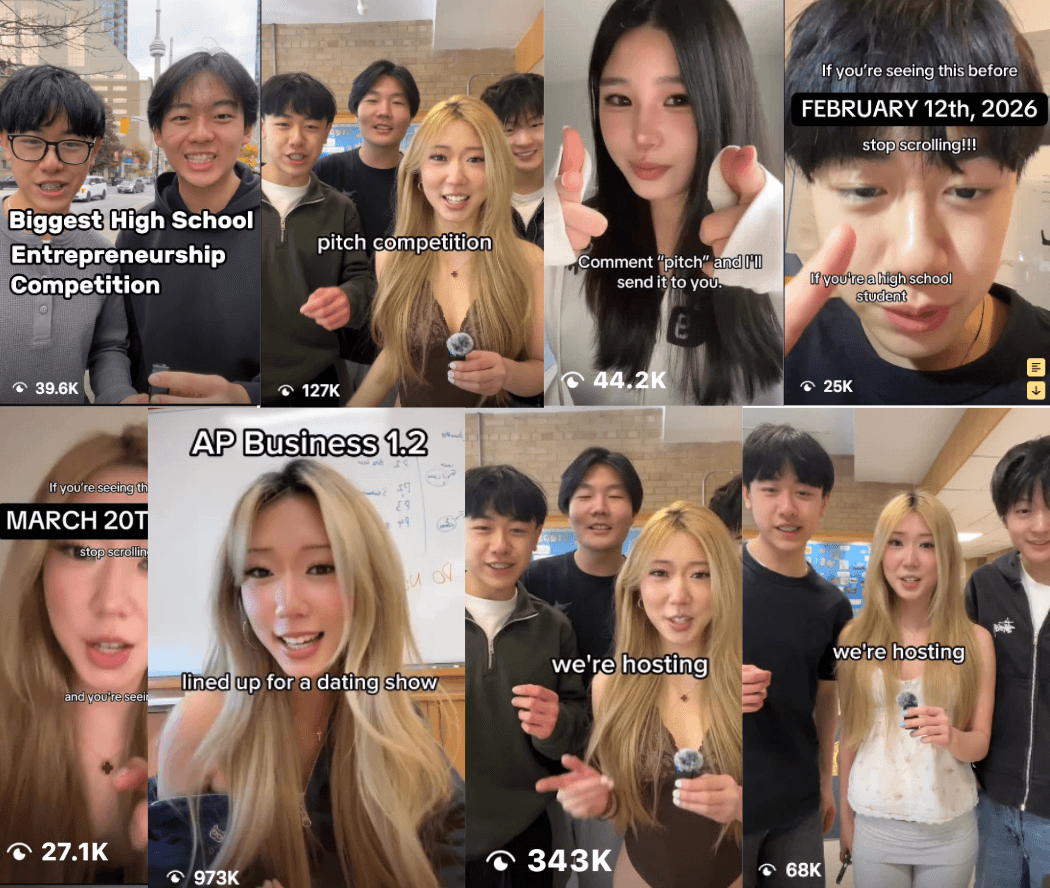
Make the first post feel like an event

  • Film the whole team
  • Keep the video upbeat
  • Ask friends to comment and share immediately
03

Outreach sprint

Contact the right person, not the inbox

  • Track prospects in one sheet
  • Find partnership leads with Apollo
  • Use warm contacts before cold email
04

Final 48 hours

Expect the submission rush

  • Keep reminders visible
  • Answer participant questions quickly
  • Do not panic when entries arrive late
The student founders behind INNOSpark

Take the next step

Study the launch, meet other founders, or bring the workshop to your school.

INNOSpark shares competition resources, program information, community updates, and partnership contacts on its website.

Explore INNOSpark