Loading page
Extracurriculars by major
Extracurriculars for Engineering Majors
An engineering application reads best when your activities show that you can take an idea from design through build to a working result. These six activities move from a first robotics team and Science Olympiad all the way to founding a hardware initiative or reaching the most selective engineering competitions in the country.

Explorer
Start here and build momentum
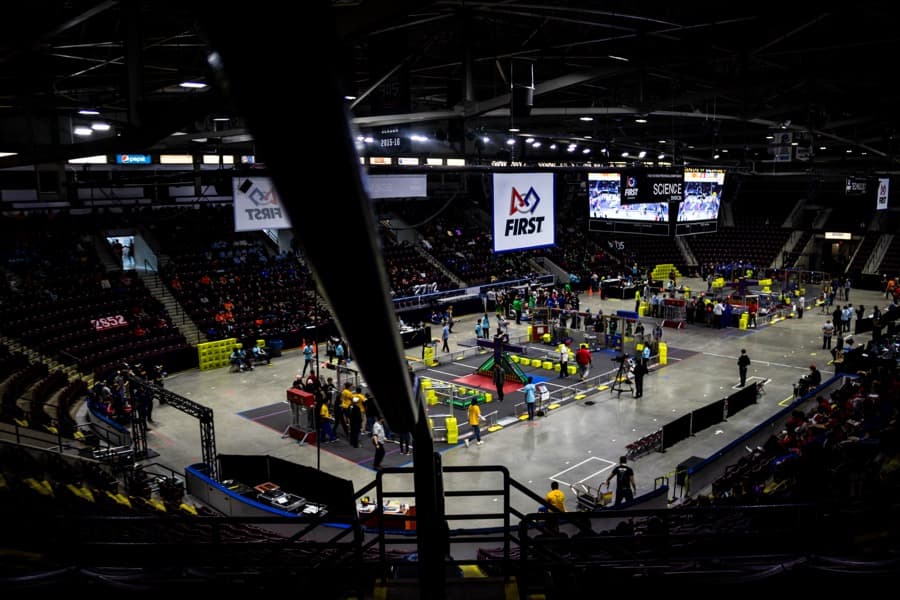
Join a FIRST Robotics team
FIRST Robotics Competition gives high school teams six weeks to design, build, and program a full robot that competes at regional and district events. The mechanical, electrical, and software subteams each offer a focused entry point, so you do not need to know everything on day one. Taking on a lead role within a subteam by junior year, or becoming a captain, turns participation into the kind of leadership that shows up meaningfully on an application.
Find a FIRST team near you
Compete in Science Olympiad build events
Science Olympiad's build events, including Wright Stuff, Bungee Drop, and Tower events, require engineering the physical object weeks before the tournament and then optimizing it against measured results. They teach the design-build-test loop in a compressed, competitive format. Competing at the state invitational level, then aiming for nationals, gives you a clear progression arc to describe in applications.
Find Science Olympiad teams near youStrategist
Compete and get noticed
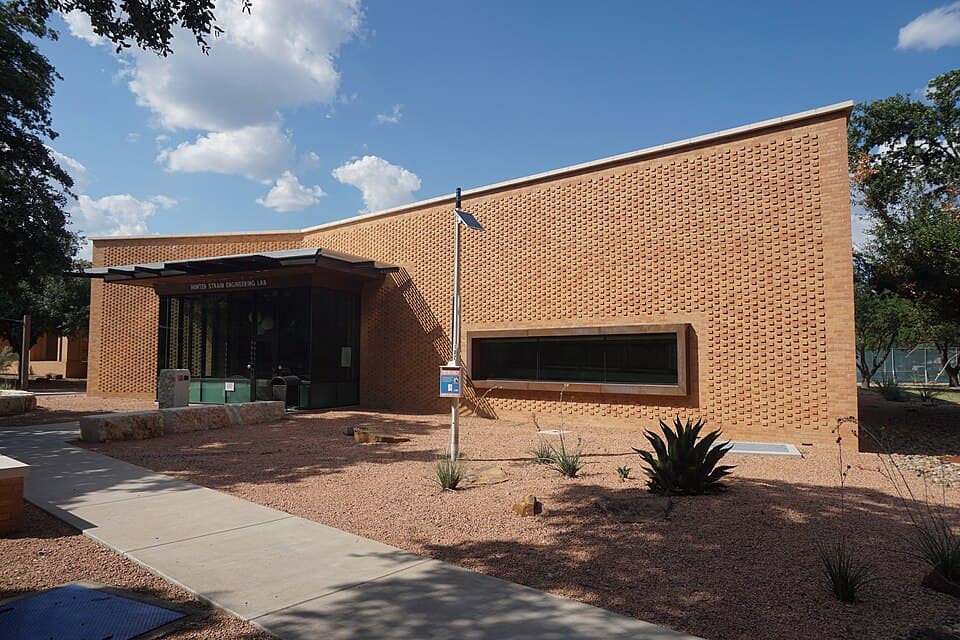
Do research with an engineering professor
University engineering labs routinely work with motivated high schoolers, especially in the summer. Identify two or three labs doing work that intersects your robotics or build interest, read a recent paper from each, and email the PI with a specific question about the work. Aim for a tangible outcome: a poster, a conference presentation, or acknowledgment in a paper. Programs like Research Science Institute and similar summer fellowships are a structured alternative if cold outreach stalls.
Find engineering research programs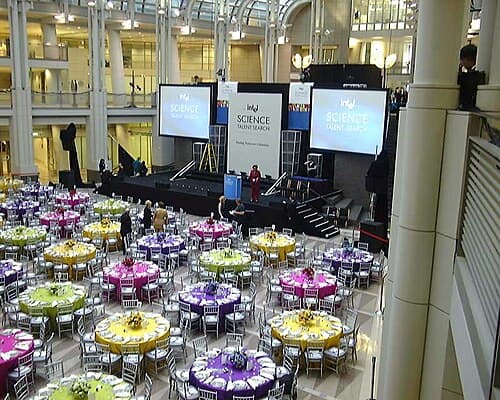
Enter an ISEF-affiliated engineering fair
The Regeneron International Science and Engineering Fair accepts projects in engineering categories including electrical and mechanical systems, robotics, and materials science. Start at your school or regional affiliated fair, then advance through the state level. The ISEF finalist project gallery shows you what a competitive engineering submission looks like in practice: a well-scoped question, real measurements, and a controlled test protocol.
See ISEF engineering projectsMythic
Build something exceptional
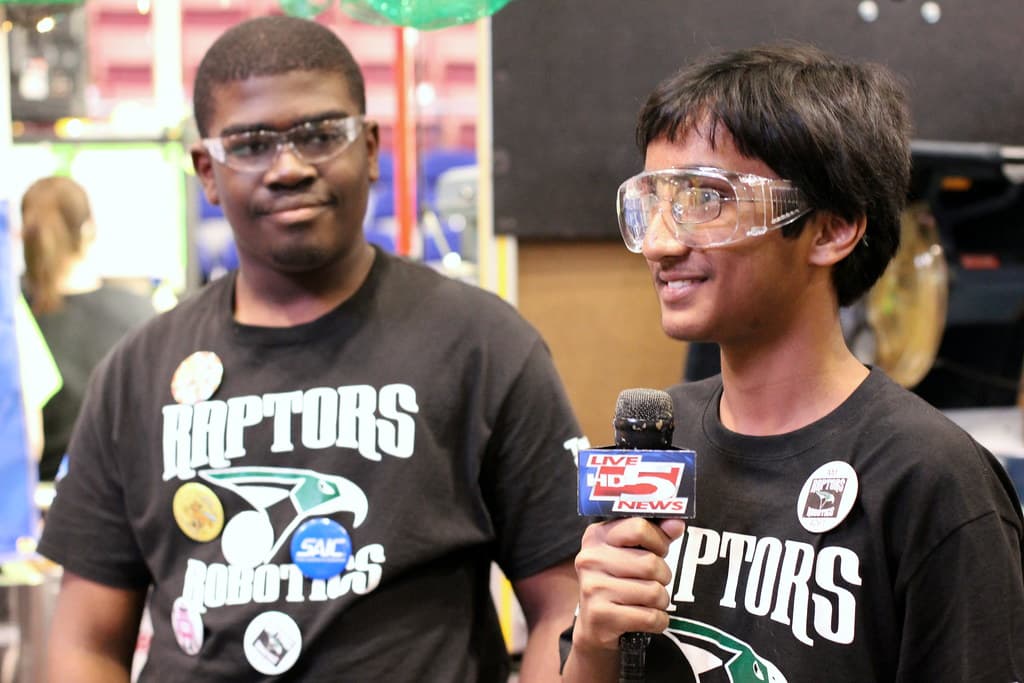
Found a hardware or robotics initiative
A student who builds a robotics team from scratch, creates a school makerspace, or launches a hardware access program for underserved students is doing something qualitatively different from a team member. The founding step requires recruiting people, securing a budget, and executing the first cohort before the idea has any proof of scale. That combination of technical and organizational work is genuinely rare on an application.
Explore engineering program opportunities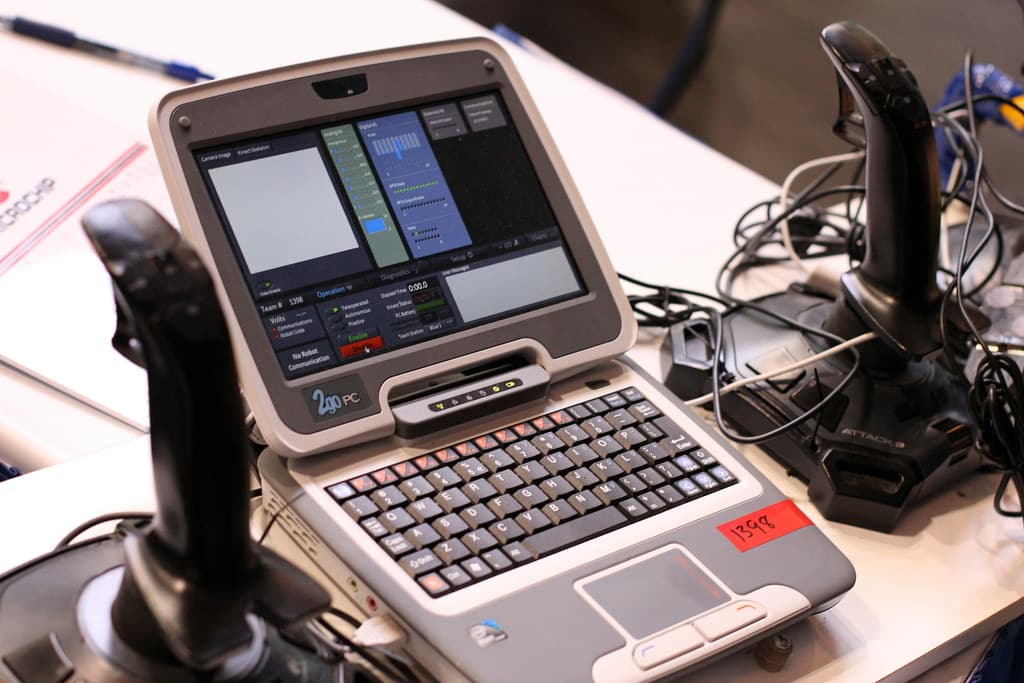
Target Regeneron STS or national FIRST championships
Regeneron Science Talent Search selects 40 finalists from thousands of applicants for a research competition judged by working scientists; a top-20 ISEF finish or STS semifinalist placement is one of the strongest single-line credentials in a high school engineering application. Separately, advancing a FIRST team to the FIRST Championship and earning Chairman's Award or a division win is a national distinction with a clear team leadership story behind it.
See FIRST Championship resultsQuestions, answered
Extracurriculars for engineering majors, explained
What are the best extracurriculars for an engineering major?
The strongest engineering extracurriculars show that you can complete a physical or technical project with real constraints. FIRST Robotics, Science Olympiad build events, university lab research, and science fairs all demonstrate the design-build-test cycle that engineering programs care about. Depth in one or two of these, with a clear leadership or founder role, is stronger than broad participation in many.
Does robotics help with college admissions for engineering?
Yes, especially when you can speak to a specific technical contribution and a leadership role. Admissions readers see a lot of robotics team members; what they look for is the student who designed the mechanism, captained the team, or built a new chapter from scratch. FIRST Robotics in particular is well-recognized at top engineering programs because the format is demanding and the results are verifiable.
Is a science fair project worth doing for engineering applications?
Strongly yes. An ISEF-affiliated project gives you independent research experience, a real engineering question you can speak to in depth, and an external evaluation of your work. Advancing to ISEF itself is a national distinction, but even a strong regional finish with a well-designed project tells a better story than most club memberships.
Build your roadmap
Answer four questions and get a personalized plan with activities and opportunities near you.