Loading page
Extracurriculars by major
Extracurriculars for business majors
A business application reads best when it shows three things in sequence: that you can sell or operate something, that you can compete and place in front of judges, and that you can build something people actually use. These six activities cover that arc from your first DECA meeting all the way to founding a real venture with revenue.

Explorer
Start here and build momentum

Join DECA or FBLA at your school
DECA and FBLA both run chapter meetings, role-play practice rounds, and written events that scale from your school to state and then to an international career conference with tens of thousands of attendees. Competing in an event like Entrepreneurship or Financial Services gives you a concrete placement to list. Running for a chapter or state officer position turns membership into a leadership story that actually reads well in 150 characters.
Start a DECA or FBLA path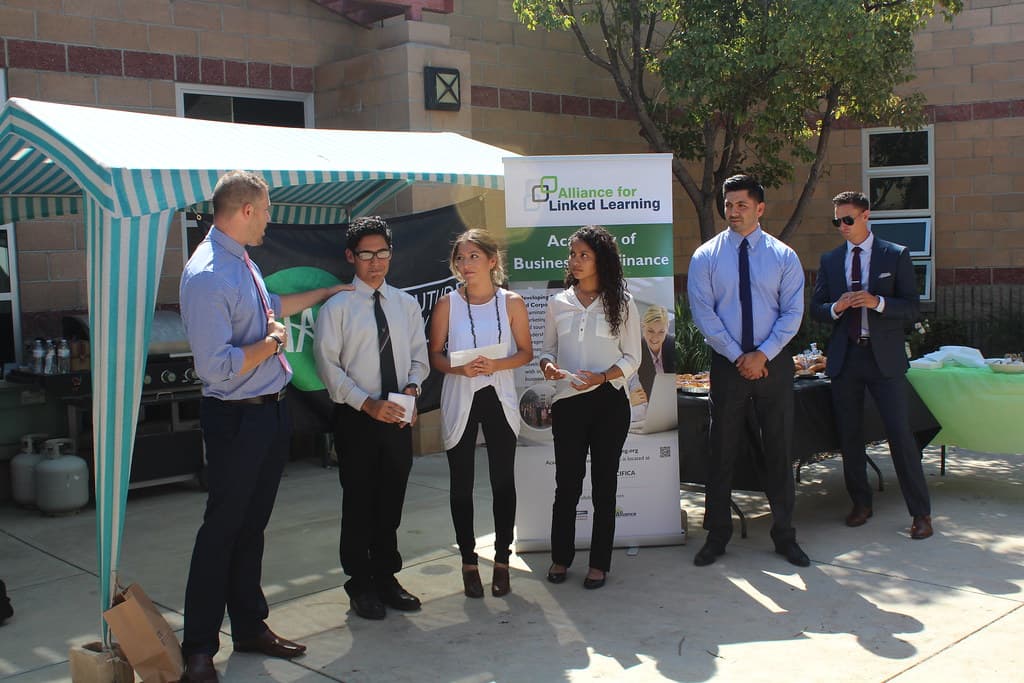
Start a small resale or service hustle
Buying wholesale and reselling locally, running a lawn care or tutoring operation, or flipping thrifted goods teaches you unit economics, customer acquisition, and margin in a way no classroom does. Even a few hundred dollars in revenue with a clean record of expenses is enough to write about specifically. Readers remember the student who actually sold something far more than the one who attended a club.
Find your first business ideaStrategist
Compete and get noticed
Enter pitch and case competitions
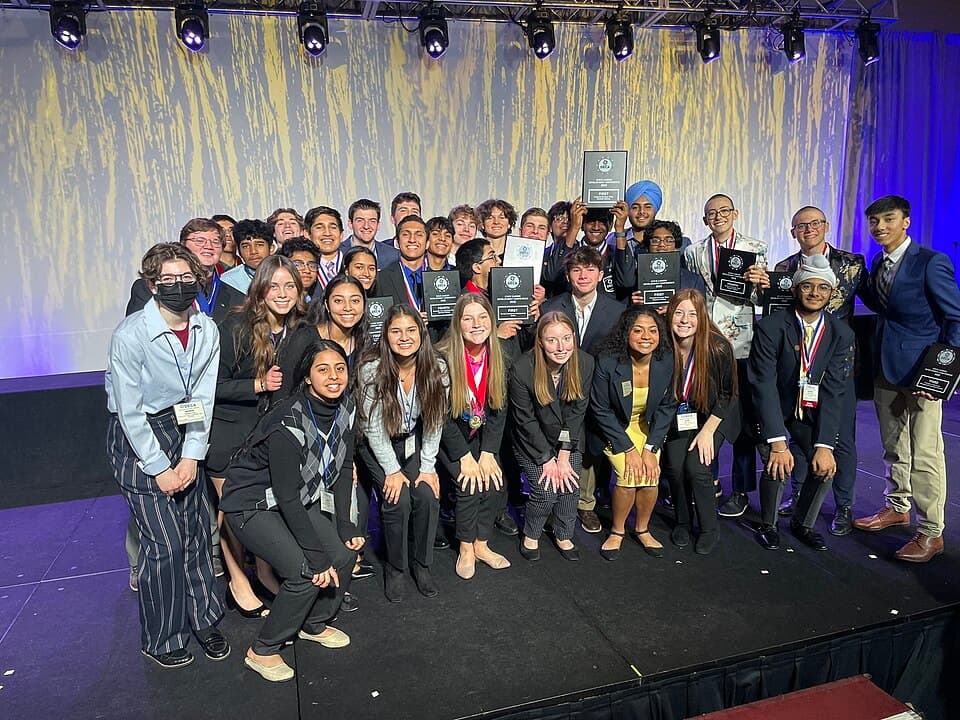
Competitions like the Diamond Challenge, Blue Ocean Student Entrepreneur Competition, and school-to-regional-to-national DECA business plans give you a bracket to climb and judges to impress. The best entries identify a real problem, show a minimum viable product, and include actual revenue or user data. Use the competition deadline as forcing function to build something you would otherwise keep planning.
Find pitch and case competitions
Attend a selective summer business program
LaunchX places you on a university campus with a small cohort to move from idea to pitch in four weeks, while Wharton Global Youth runs an intensive that mixes lecture, simulation, and project work with students from around the world. Both programs are selective enough that admission itself signals something, and the network of alumni who have gone on to build real companies is genuinely useful. Treat your summer application with the same rigor you would give a college application.
Find summer business programsMythic
Build something exceptional

Found a real venture with revenue
INNOSpark co-founder Brighton Ng built a local entrepreneurship program that grew into a global stage for young founders, attracting partners including Replit, Notion, MaRS Discovery District, and the City of Toronto. Founding something real is the rarest signal on a business application because it forces you to do every function: product, sales, operations, and team management. Read how one student turned a local program into an international organization.
Read the INNOSpark founder story
Win at international DECA or the Diamond Challenge
Placing at DECA's International Career Development Conference (ICDC) or reaching the finals of the Diamond Challenge at the University of Delaware signals that your business thinking held up against the best high-school competitors in the country and abroad. ICDC draws more than 20,000 competitors each year and places finalists in writing events, role plays, and series events across every business discipline. A top-five finish or a finalist ribbon at that level is a national competitive credential on par with any academic Olympiad.
See the Diamond ChallengeQuestions, answered
Extracurriculars for business majors, explained
What extracurriculars look best for a business school application?
The strongest business extracurriculars show a progression from learning to competing to building. Starting with DECA or FBLA, placing in a regional or state competition, and then founding something with real users or revenue is the arc that admissions readers at Wharton, Ross, and Stern are trained to notice. Passive membership in many clubs is far less compelling than a single venture you can describe with revenue figures, customer counts, or competition placements.
Do I need to start a business to get into a top business program?
No, but having built or sold something real is an advantage that is hard to replicate through coursework or club membership alone. Even a small resale operation or a service you sold to neighbors gives you specific, quantifiable experiences to write about. Founding something and failing is also more interesting to readers than never trying.
What is the Diamond Challenge and how competitive is it?
The Diamond Challenge is a high-school entrepreneurship competition hosted by the University of Delaware's Horn Entrepreneurship program. Teams submit a business concept, advance through regional heats, and finalists pitch live to judges at the university. It draws hundreds of teams internationally and top placings are considered a strong national credential for business applicants.
Build your roadmap
Answer four questions and get a personalized plan with activities and opportunities near you.