Passion Projects

Founder field notes

How Project EDSA became a youth-led support network

Project EDSA (Eating Disorder Support and Awareness) is a youth-led nonprofit that embeds prevention, awareness, and peer support into schools through student-run chapters and campaigns like its 988 crisis-line bookmarks. Co-founder Michelle Ye on how it started, went viral, and rebuilt to last.

Michelle Ye
Michelle YeCo-founder, Project EDSA
Website Instagram
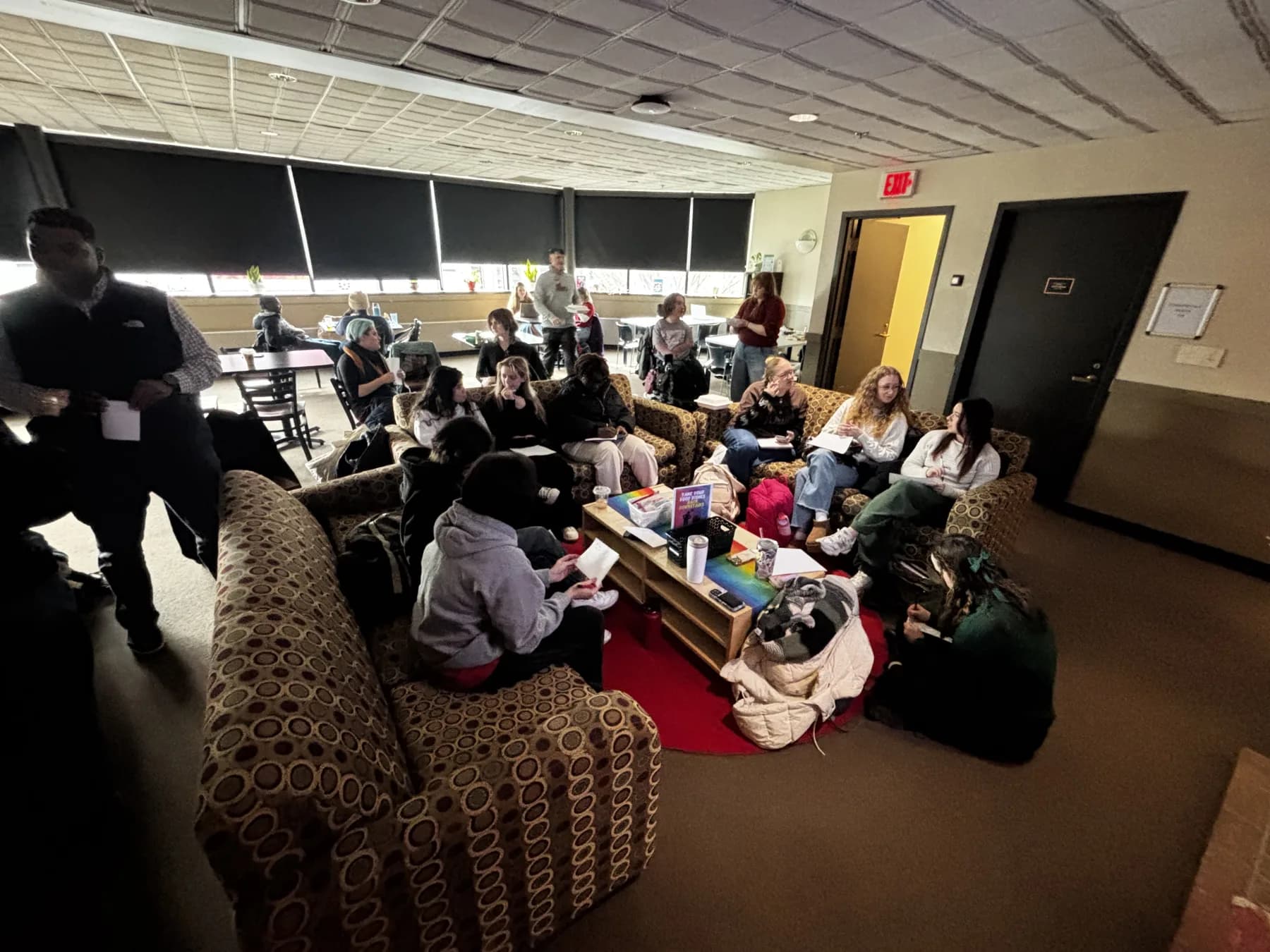
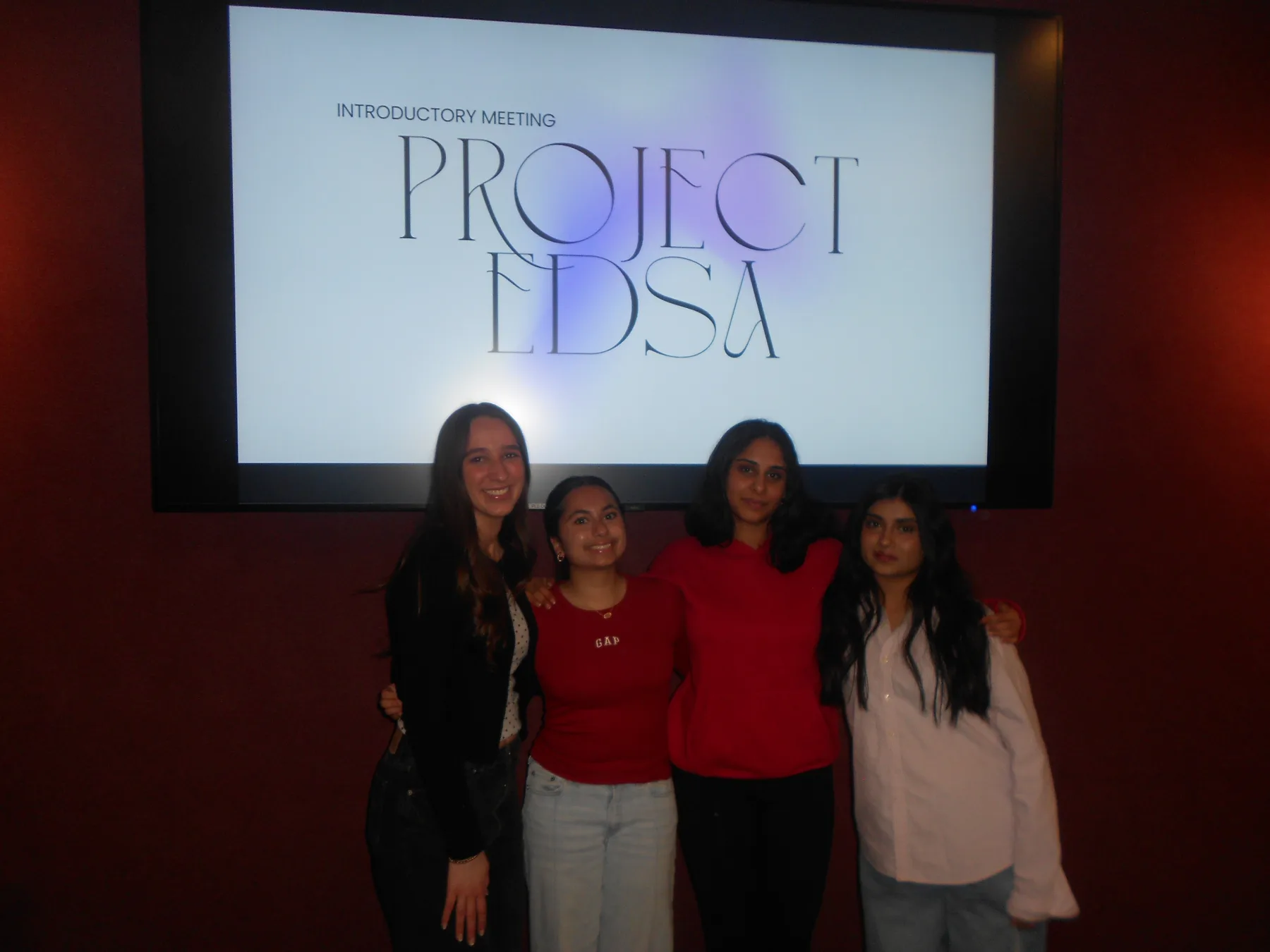
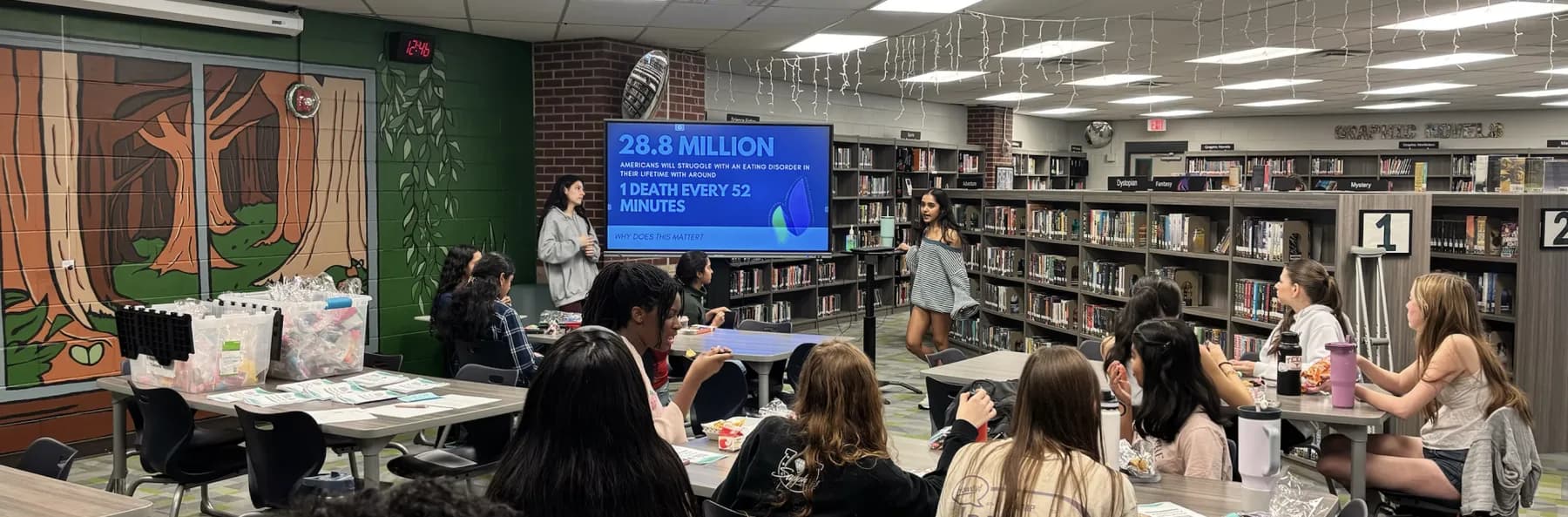
Project EDSA student leaders at an introductory meeting
Full interviewAttach the complete founder interview hereRecommended: 16:9 MP4 or a YouTube link
17,500
988 Lifeline bookmarks distributed
360K
views on the breakthrough TikTok
50
student volunteers across four teams today

What they run

Three initiatives carry the mission into schools

Project EDSA (Eating Disorder Support and Awareness) is a youth-led nonprofit that equips students to build prevention, awareness, and peer support where they learn. The work runs through three programs.

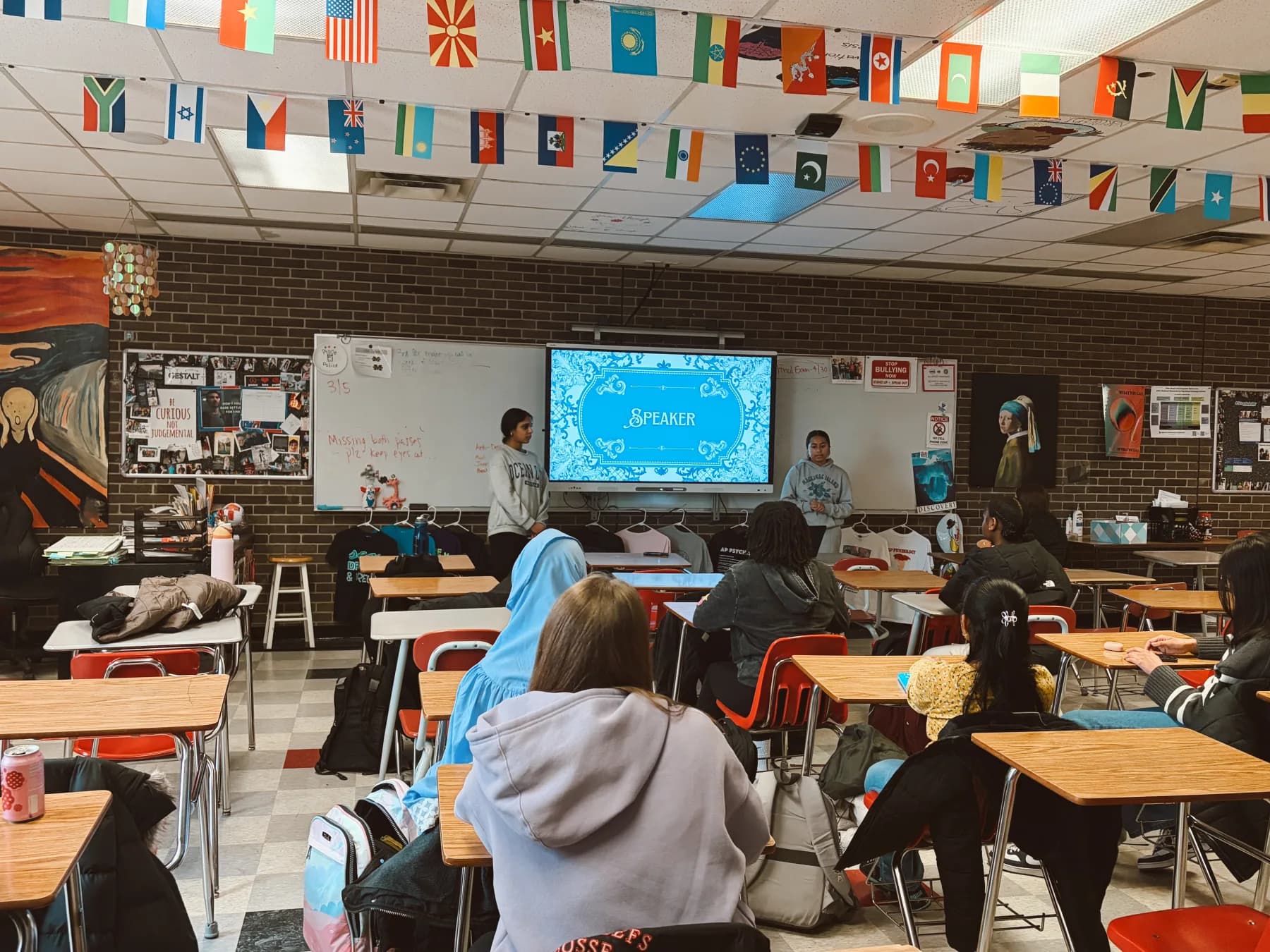
Students leading a Project EDSA chapter presentation in a classroom

Chapters

Student-led school chapters

Students launch chapters that bring eating disorder awareness, education, and peer support into their own schools and universities, running as part of ANAD's School Ambassador Program.

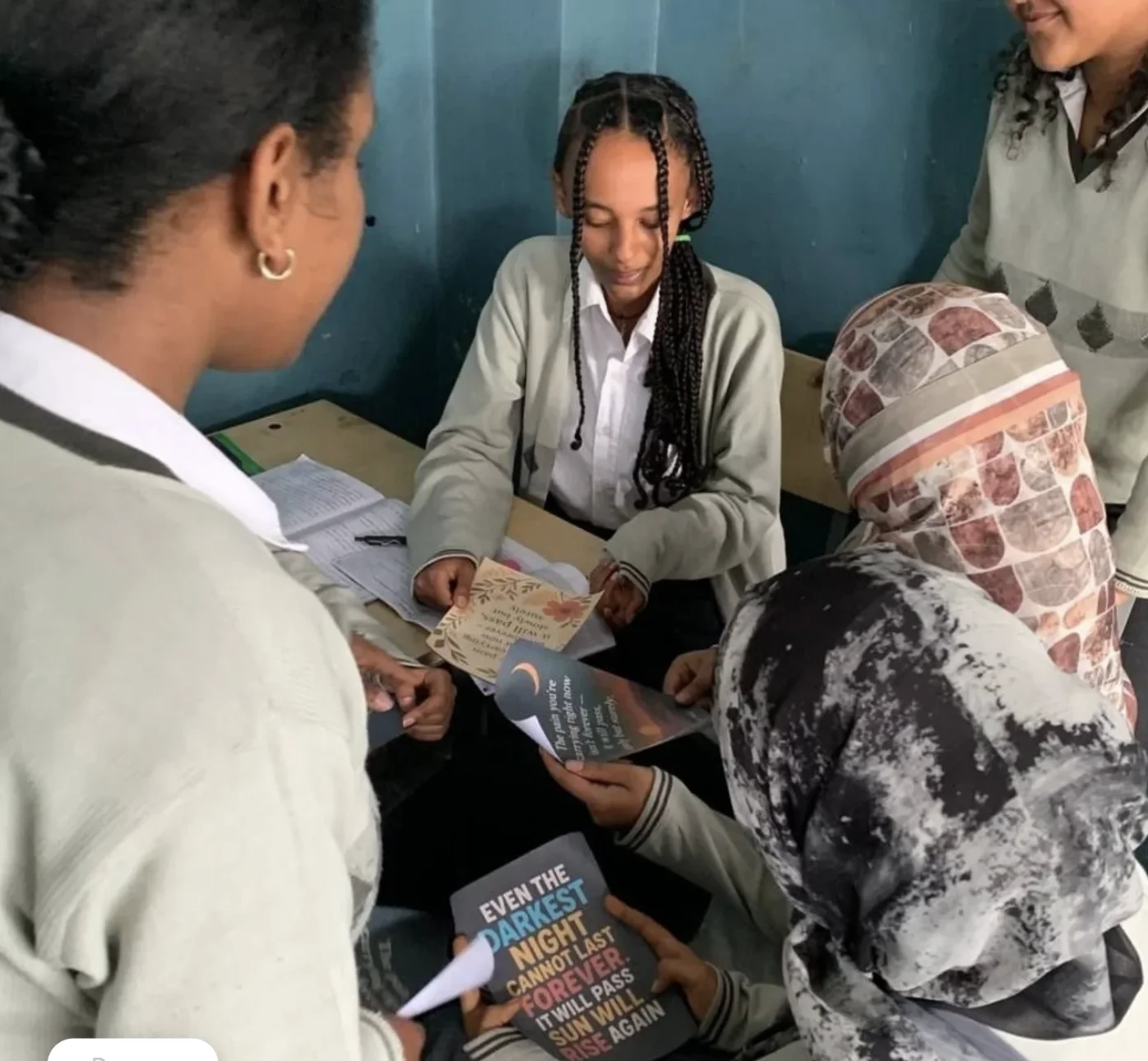
Students sharing 988 crisis lifeline bookmarks

988 Bookmarks

Crisis resources students can carry

Chapters hand out 988 Suicide and Crisis Lifeline bookmarks, small enough to keep in a backpack or a book, so support is always within reach. About 17,500 have gone out so far.

A Project EDSA chapter sharing resources in a school library

Resources

Free toolkits, presentations, and workshops

A free resource library, plus school presentations and workshops, gives students and educators evidence-based materials on body image, media literacy, and prevention.

What inspired you to create Project EDSA?

“I checked my own school's mental health website, but I only found resources for anxiety and depression and nothing for eating disorders. It felt like the struggles many girls were going through were invalid and invisible.”Michelle Ye

That gap became the thing Michelle wanted to build: support for eating disorders designed by students, for their own schools. She had struggled with body image since childhood, then volunteered with a local eating disorder nonprofit, became its social media lead, and joined a student advisory board.

On that board she met Diya Mankotia, who would become her co-founder. Diya had already tested the idea through a school club that distributed about 150 mental health kits and drew real student interest.

In May 2025 the two launched Project EDSA together with a sharper mission. Over that summer Michelle posted consistently across TikTok and Instagram, one video reached about 360,000 views, and the team grew quickly before pausing to rebuild around four volunteer teams.

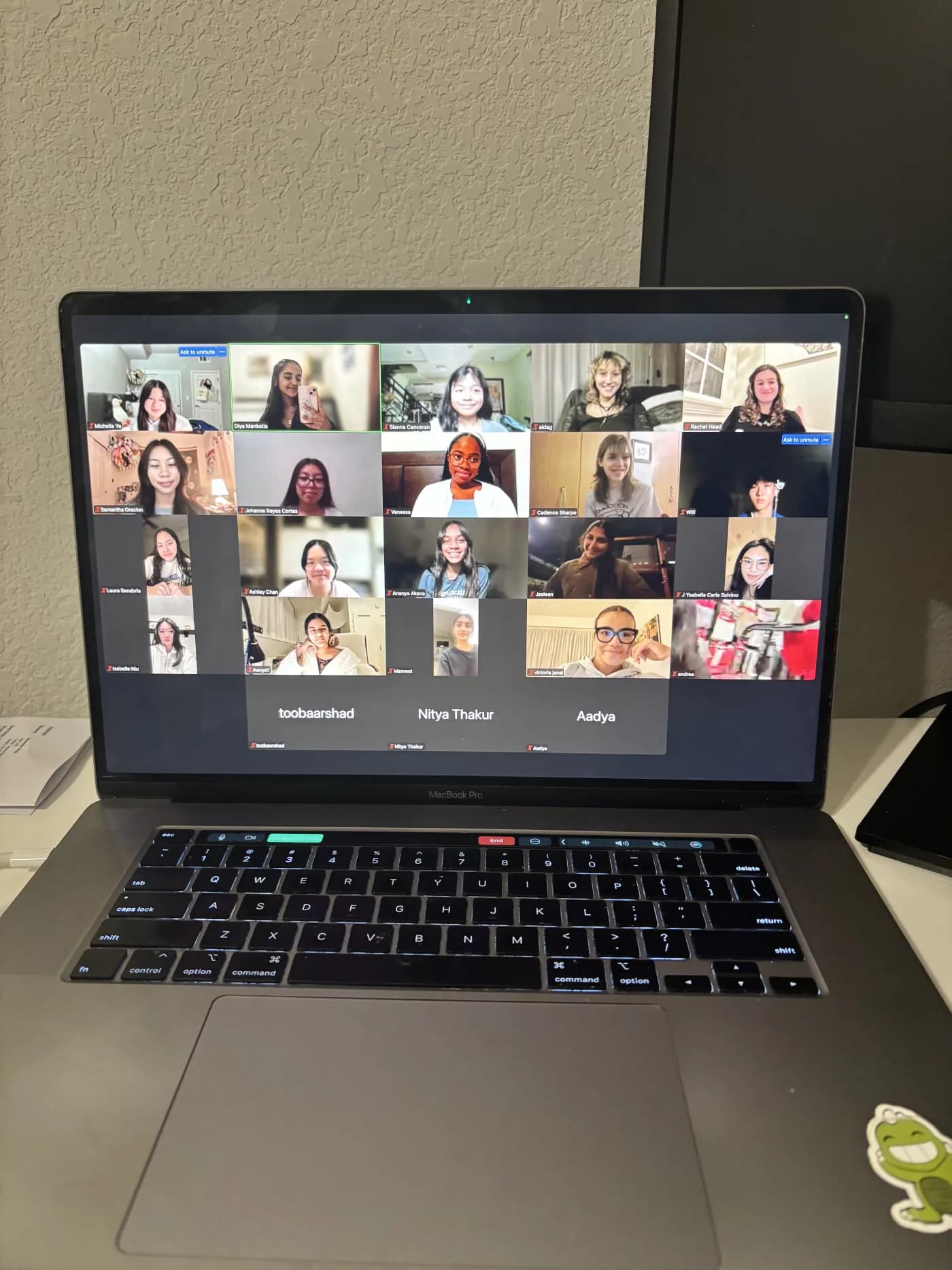
A Project EDSA leader speaking with a student during a virtual meeting
Peer support begins with making room for honest conversation.

Turn one working club into a system other students can use

The early team did not begin with a global blueprint. It began with proof that one school community would show up. The organization then translated that proof into chapters, campaigns, resources, and clearer volunteer roles.

01

School pilot

Prove the idea locally

Diya's original school club distributed roughly 150 mental health kits and showed that students wanted more support and education.
02

May 2025

Build a sharper mission

Michelle joined the launch and the co-founders focused the work on embedding prevention, awareness, and peer support systems in schools.
03

Summer 2025

Post with consistency

Michelle posted several times a day across TikTok and Instagram. One video reached about 360,000 views and accelerated recruitment.
04

The reset

Pause before scaling again

The team paused intake, studied stronger nonprofit systems, and rebuilt around four volunteer teams with about 50 students.
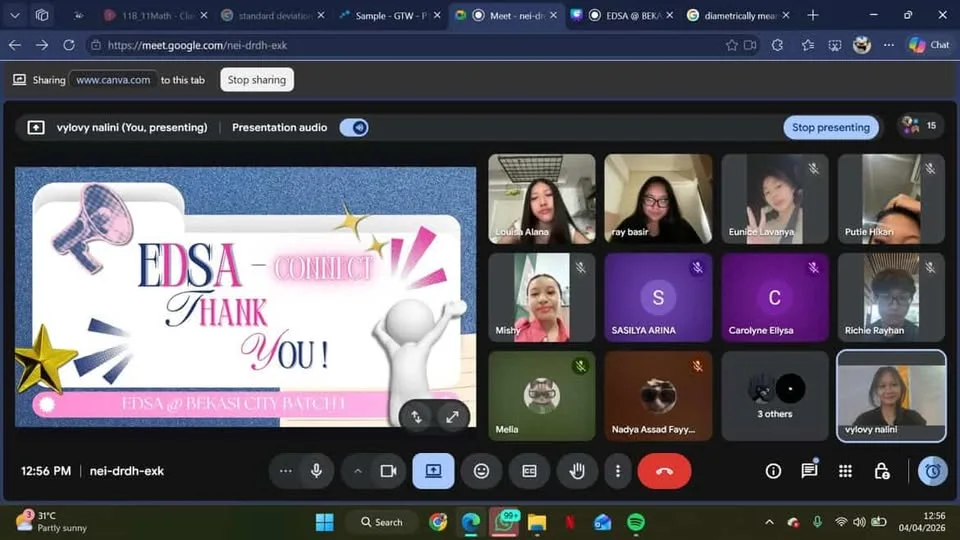
Project EDSA volunteers meeting online
A volunteer meeting connects students across locations.
Students leading a Project EDSA classroom presentation
School chapters turn shared materials into local action.

03. A campaign students could carry

17,500 bookmarks, each one a crisis lifeline in a student's hands

Why bookmarks, of everything a chapter could hand out?

“We used bookmarks because they are small, physical, and something students can easily bring in their backpacks or books.”Michelle Ye

Each bookmark carries the 988 Suicide and Crisis Lifeline number, so a student who is struggling can reach trained help in the moment they need it, without searching for a resource or asking anyone first. It lives in a backpack or a textbook and shows up on an ordinary day, which is exactly when support is hardest to look for.

Small as it is, the object does real work. It normalizes talking about eating disorders and mental health, and it makes sure the first step toward help is already within reach. Diya piloted the distribution in Texas and Michelle later coordinated partners and funding in the Bay Area. Together with chapters, they have handed out about 17,500 of them.

Project EDSA chapter presenting eating disorder awareness information in a school library
A school chapter pairs education with take-home resources.
Students sharing mental health resource cards
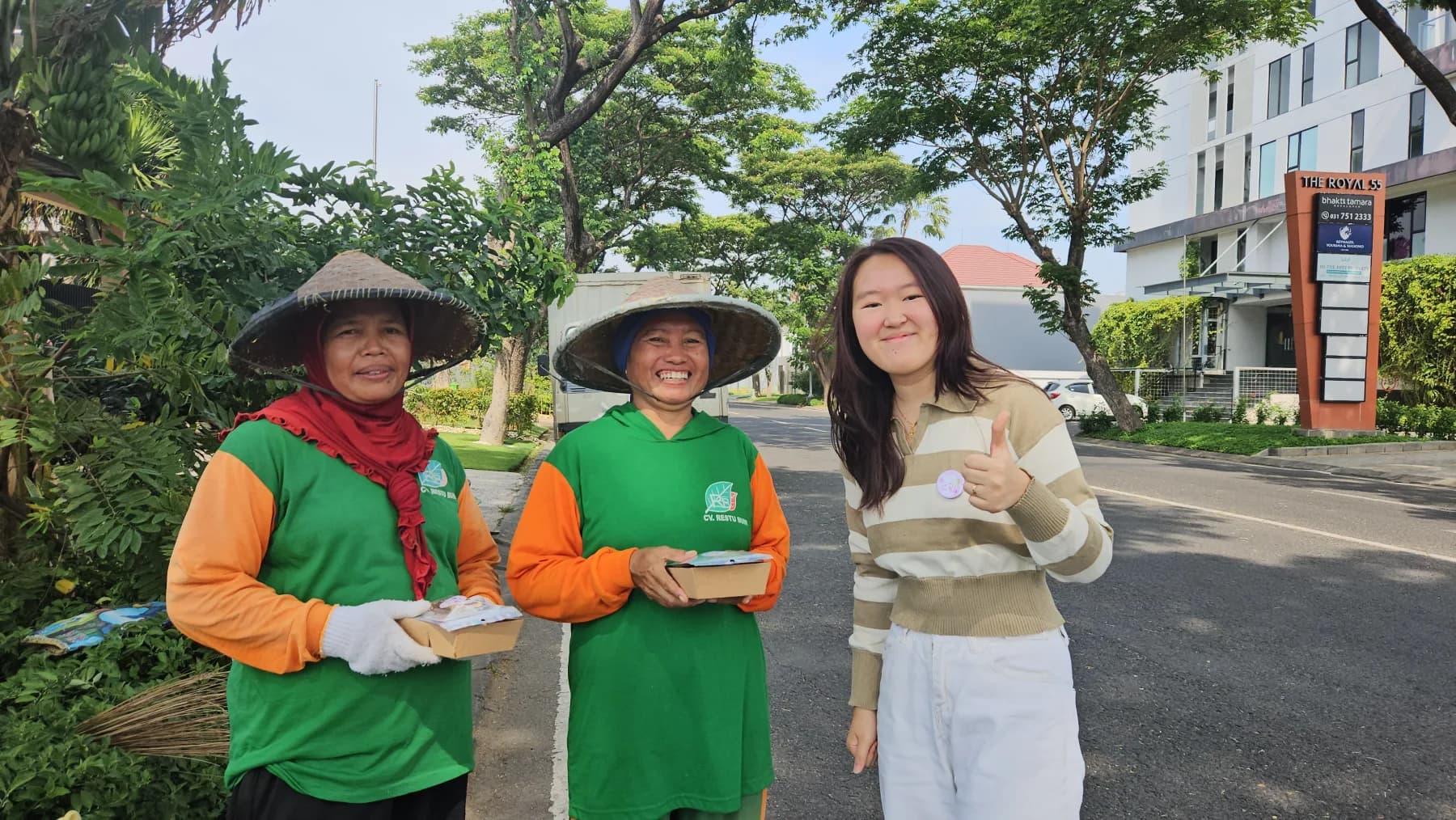
A Project EDSA volunteer distributing resources in the community

One viral post created momentum and exposed every weak system

Did you go viral quickly, and how did you turn a video into actual growth?

“Views do not really define us. I just had to keep being consistent with it. Once you have traction, it grows and it gets better.”Michelle Ye

For two months, Michelle posted on TikTok and Instagram several times a day. Most posts did not explode. Then one reached about 360,000 views.

The attention brought a wave of new volunteers and chapter leads. It also created an operational problem. A small executive team could not onboard, guide, and support everyone at the pace the audience expected.

One of Michelle's marketing videos, the kind of post that drove recruitment.

05. The reset

The most important growth decision was to stop recruiting

Michelle asked the organization to step back. For a stretch, Project EDSA accepted no new volunteers or chapter leads. She used that time to study how successful nonprofits structure their people and recurring work.

“We did not really need hundreds of volunteers. We needed a system shaped around what our nonprofit actually needed.”

The result was a four-team model with about 50 students and seasonal or quarterly intake. Fewer people, clearer roles, and regular reevaluation made it easier to keep materials accurate and organized.

How Project EDSA partnered with a major national organization

How does a student project get a national organization to take it seriously?

“You earn it before you ask for it. We had hoped to run an awareness campaign with a major eating disorder nonprofit in early 2025, and even when that did not come together, the relationships we had already built carried straight into launching Project EDSA that May.”Michelle Ye

The lesson for other student founders is that a marquee partnership does not have to be signed to be useful. Project EDSA's early credibility came from working alongside an established national nonprofit, ANAD, rather than trying to compete with one.

Both founders volunteered and served on the organization's student advisory board, so the relationship existed long before any formal ask. The way to partner with a big organization is to show up as a volunteer, do real work, and let that standing speak for you.

Diya's original school club already ran through the organization's school ambassador program. After it donated about 150 mental health kits and drew strong student interest, it became, in effect, Project EDSA's first chapter. The relationships and the proof were enough to launch.

Project EDSA student leaders standing together
Short clip placeholderHow to partner with a major organizationSuggested: the answer about the first chapter, around 05:47

The work in motion

Students participating in a Project EDSA chapter workshop
Discussion-based chapter workshop
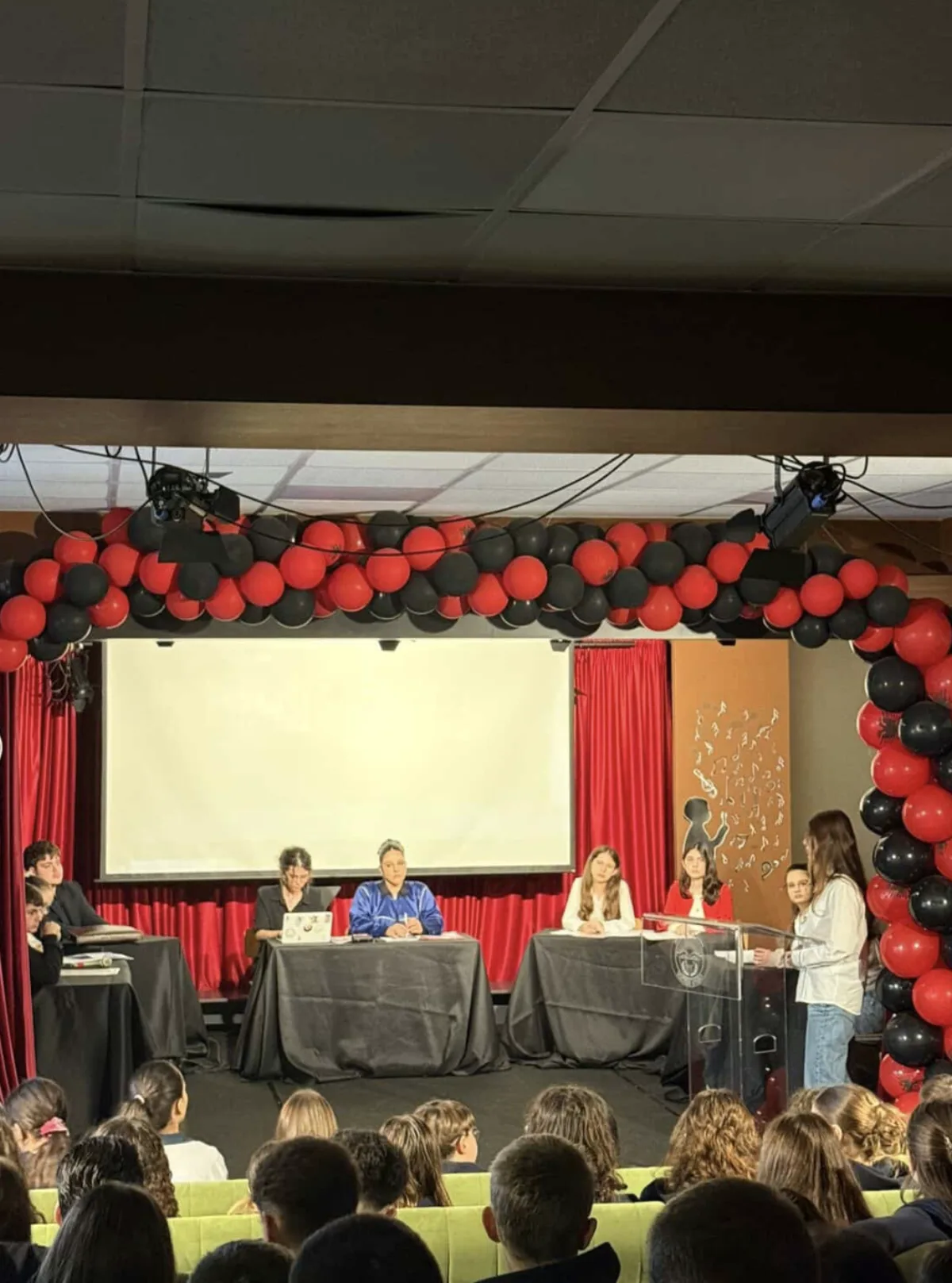
A student presenting to a school audience
Student-led presentation
Students carrying supportive mental health messages at a community walk
Community advocacy
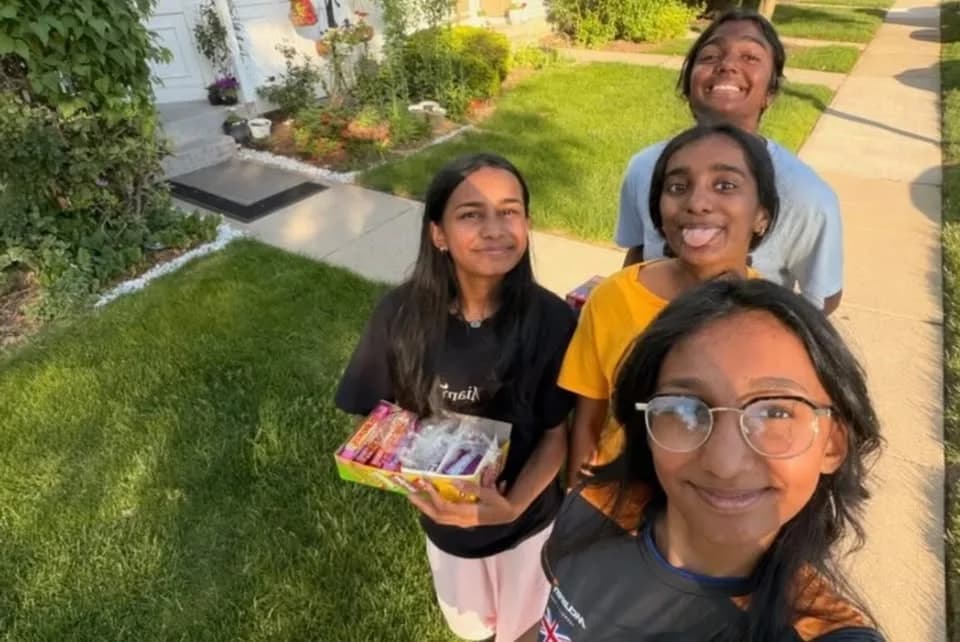
Project EDSA chapter volunteers carrying activity supplies
Chapter volunteers

Images courtesy of Project EDSA.

Learn the problem deeply, prove the idea locally, then ask directly

What advice would you give yourself before starting an organization?

“Become almost an expert on the topic you want to address. Research it deeply or get hands-on experience, like I did through volunteering.”Michelle Ye
An online Project EDSA chapter presentation
Short clip placeholderWhat Michelle would tell her earlier selfSuggested: 30 to 60 seconds from the interview
Project EDSA student leaders standing together
Short clip placeholderWhy student founders should start localSuggested: the answer beginning around 12:56

One highly specific tactic, not the usual advice?

“When you want press or a partnership, never send a generic mass email. Find the one editor who already covers your topic, name the exact article of theirs you read, and pitch that person directly. Targeted outreach beats waiting to get nominated or noticed.”Michelle Ye

08. Build your version

A practical roadmap for turning one concern into school-based action

Built from Michelle's interview advice and Project EDSA's early sequence.

01

Learn

Become useful before becoming visible

  • Study the problem beyond surface-level facts
  • Volunteer or gain hands-on experience
  • Identify the exact gap at your school
02

Pilot

Start with one local proof point

  • Ask a counselor or teacher for support
  • Run one narrow activity
  • Record what students actually use
03

Systemize

Build the foundation for a team

  • Define a small number of clear roles
  • Create reusable guides and materials
  • Choose an intake rhythm you can support
04

Reach out

Ask specific people for specific help

  • Contact aligned local organizations
  • Pitch editors who cover your topic
  • Show the work that already exists
A Project EDSA volunteer distributing resources in her community
Closing clip placeholderHow students can join or support Project EDSASuggested: Michelle's final answer beginning around 14:59

Take the next step

Start a chapter, join a volunteer cohort, or follow the next campaign.

Project EDSA shares current opportunities through its website and Instagram.

Explore opportunities